How Long Do You Need In Huacachina?
How long do you really need in Huacachina — 2 hours or 2 nights? Get a realistic breakdown of activities, hour-by-hour timing, sunset dune buggy details, and when extra days become overkill. Honest advice from Huacachina Tours to help you plan your Peru itinerary the smart way.
Travelers planning Huacachina visits encounter wildly conflicting duration advice online, with some sources suggesting half-day stops while others recommend week-long desert retreats, leaving reasonable people genuinely uncertain whether this tiny oasis town requires two hours or seven days. The confusion stems from blogs padding itineraries with filler activities and travelers confusing their personal extended stays for budget reasons with duration recommendations that active tourism actually requires.
In Brief: Allow two hours for the local combined loop or four for the specialist sports session, plus check-in and separate transport. A Lima return trip takes a full day.
Check Your Huacachina Buggy DateAt Huacachina Tours where we operate daily sunset departures and watch visitors with every conceivable stay length from rushed two-hour photo stops through week-long extended stays, we provide honest duration assessment based on actual activities available rather than theoretical itinerary inflation. This guide covers the complete activity inventory Huacachina offers, optimal timing for different traveler types, hour-by-hour breakdowns showing exactly how time fills across different durations, when diminishing returns make additional nights feel wasteful rather than relaxing, and practical integration with broader Peru travel plans connecting Huacachina properly between Lima, Paracas, Nazca, and other destinations most visitors include in the same trip.
How Long Do You Need In Huacachina?
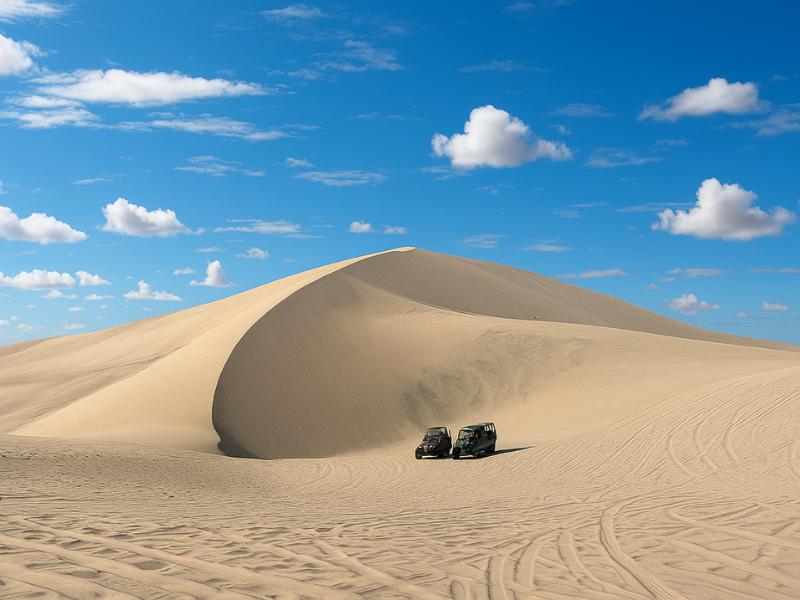
One to two nights captures Huacachina’s essential experiences optimally, with single nights covering sunset dune buggy tours and oasis atmosphere efficiently while two nights add relaxed pacing without the boredom that three or more nights create in this genuinely tiny desert town offering limited activity variety.
Minimum viable: Single-night stays cover everything most travelers came to Huacachina specifically to experience, with afternoon arrival, sunset tour, evening oasis time, and next-morning departure representing the efficient format that hundreds of satisfied visitors execute weekly. Day trips from Lima or even Paracas completely miss the sunset dune buggy tours departing 4-5pm that represent Huacachina’s primary draw, transforming visits into photo stops rather than activity destinations that travel time investments deserve.
Maximum worthwhile: Two nights represent the comfortable maximum for most conventional tourists, with the second night adding optional sunrise tours and full-day relaxation without the repetition and limited dining variety that third nights introduce. Three or more nights suit only specific situations including budget travelers using S/30-40 accommodation as rest days between expensive Peru destinations, remote workers needing quiet desert environment for focused productivity, or genuine desert enthusiasts finding multi-day dune hiking and repeated sandboarding attempts genuinely engaging rather than redundant.
What determines length: Personal activity interest proves the primary factor, with dune buggy and sandboarding enthusiasts genuinely wanting second tours while others finding single sunset tour entirely sufficient. Travel pace preference separates efficient travelers comfortable with one-night execution from those preferring two-night relaxed rhythm regardless of activity volume, while Peru itinerary constraints including bus schedules and subsequent destination timing often determine duration more than Huacachina-specific considerations justify independently.
Practical recommendation: Book one-night accommodation initially rather than pre-committing to multiple nights, then extend upon arrival if genuinely wanting more time after experiencing the oasis rather than feeling obligated completing pre-booked excess nights. Most hotels accommodate same-day extensions during shoulder season while peak season advance booking sometimes forces duration commitment before arrival.
| Duration | What You Actually Do | Who It Suits | Cost Range | Value Rating |
|---|---|---|---|---|
| Half-day | Lagoon walk, photos, lunch, quick swim | Ica-based travelers only | S/30-50 | 4/10 – Photo stop |
| Day trip from Lima | Same as half-day + 10hr transport | Nobody realistically | S/110-150 | 2/10 – Terrible value |
| Day trip from Paracas | Morning-afternoon, miss sunset tour | Tight schedules only | S/60-90 | 5/10 – Rushed |
| 1 Night | Sunset tour, sandboarding, oasis evening | Most travelers | S/150-300 | 10/10 – Perfect |
| 2 Nights | Add sunrise tour, full relaxation day | Slower pace preference | S/250-500 | 9/10 – Comfortable |
| 3 Nights | Significant downtime, activity repetition | Budget rest, remote work | S/350-650 | 5/10 – Too long |
| 4+ Nights | Genuine boredom, extreme budget stay | Long-term backpackers | S/450-900+ | 3/10 – Way too long |
Half-Day Visit – Photo Stop Only
What’s realistically possible: Complete lagoon circuit walk taking 15-20 minutes, photo stops at 4-5 iconic viewpoints around the oasis, lunch at one of the lagoon-front restaurants, quick swim if weather permits, and departure covers approximately 3-4 hours total representing the maximum activities half-day format accommodates. The compressed timeline eliminates dune buggy tours, extended swimming, dune hiking, and the relaxed oasis atmosphere that evening hours create, reducing Huacachina to a scenic location rather than activity destination. Most half-day visitors leave wondering whether the detour justified the time invested given that photos constitute their primary accomplishment.
Who this works for: Travelers staying in Ica city who dedicate a morning or afternoon to Huacachina before returning to their Ica base, or those executing ambitious single-day itineraries combining Paracas morning activities with Nazca afternoon arrival using Huacachina as brief mid-route break. The format specifically doesn’t work for anyone hoping to experience the dune buggy tours that marketing materials and Instagram posts emphasize as Huacachina’s primary attraction, making it appropriate only when realistic expectations frame the visit as photo opportunity rather than adventure destination.
Transportation consideration: Half-day visits make sense exclusively from Ica where the 10-minute taxi connection creates negligible travel overhead, or as routing breaks when buses between Paracas and Nazca naturally pass through anyway. Day-trippers from Lima attempting half-day format spend more time in buses than at the destination, while even Paracas-based half-day attempts feel rushed given the 90-minute each-direction transportation consuming most of the visit window. The mathematics work only when Huacachina sits along your route rather than requiring dedicated detour.
| Time | Activity | Duration | Notes |
|---|---|---|---|
| 10:00am | Arrival from Ica | Taxi 10 min | S/10-15 taxi cost |
| 10:10am | Lagoon circuit walk | 20 minutes | Complete perimeter, photo stops |
| 10:30am | Desert viewpoint photos | 30 minutes | Iconic palm tree shots, dune backdrop |
| 11:00am | Lunch at lagoon restaurant | 60-90 minutes | S/25-45 meal |
| 12:30pm | Swimming/beach time | 30-60 minutes | Weather dependent |
| 1:30pm | Departure preparation | 15 minutes | Taxi wait, final photos |
| 1:45pm | Return to Ica | Taxi 10 min | 3.5 hours total oasis time |
Full Day Trip (Not Overnight) – Rushed But Functional
Reality check: Full-day trips from Paracas covering morning departure, afternoon oasis time, and evening return prove feasible though rushed, while Lima-based day trips require such extreme transportation commitments that virtually no informed traveler attempts them after understanding the actual time mathematics involved. The Paracas option works for travelers with extremely tight Peru schedules who genuinely cannot spare overnight accommodation, accepting that they’ll miss the sunset dune buggy tours and evening atmosphere that overnight visitors specifically plan around. Lima day trips prove genuinely inadvisable with 4-5 hours each direction consuming 9-10 hours for perhaps 2-3 hours actual oasis time.
What you can do: Morning arrival around 9-10am, extended lunch at lagoon-front restaurant, swimming and beach relaxation, complete photo documentation of the oasis from multiple angles, dune hiking if energy and time permit, and late afternoon 4-5pm departure before sunset tours begin covers the day-trip activity ceiling. The schedule allows experiencing the oasis environment and completing the photo documentation most visitors prioritize, while completely missing the adrenaline activities that marketing emphasizes and that most overnight visitors describe as trip highlights worth the accommodation investment specifically enabling them.
From Paracas logistics: Early morning 7-8am colectivo departure arriving Huacachina 9am, full day oasis activities, 4pm departure catching last Paracas-bound transport arriving back around 5:30pm creates the day-trip format that works without requiring extreme wake-up times or late arrivals. The window proves sufficient for meaningful oasis time while the afternoon departure timing means sunset tours remain inaccessible regardless of interest level, with tour departures at 4-5pm occurring exactly when day-trippers need to leave. Some visitors attempt negotiating earlier private tours though operators rarely accommodate given sunset timing represents the product they’re specifically selling.
From Lima impossibility: Departing Lima on 7am bus arriving Ica 11:30am-noon, taxi to Huacachina by 12:30pm, 2-3 hours oasis time, 4pm departure Ica arriving Lima 8:30-9pm creates 14-hour day for minimal destination time that virtually everyone attempting it describes as mistake. The few visitors executing this format typically explain it through either itinerary inflexibility requiring Lima base or fundamental misunderstanding of Huacachina’s distance from the capital, with proper advance research eliminating this option from serious consideration for 99% of travelers who learn the actual logistics before attempting.
Australian couple staying in Lima attempted day trip leaving 7am and returning 9pm, spending approximately 2.5 hours at Huacachina between 12:30-3pm before catching return bus, later telling us “we completely miscalculated and should have just stayed overnight because we paid for a full hotel night in Lima we didn’t use while spending the whole day on buses for basically just lunch in Huacachina.”
Need help with the basics? Check out our breakdown on how to visit Huacachina tours – from getting there to booking the right activities once you arrive. For the transport decision specifically, our guide to getting to Huacachina from Lima compares Peru Hop (check prices here), the public bus and a private transfer side by side.
Peru Hop (check prices here) tip: the miscalculation above is a public-bus problem more than a Huacachina problem. Peru Hop's pass lets you change your onward departure in the app up to 12 hours ahead, so a rushed day trip can become an overnight stay without forfeiting a Lima hotel or re-booking a fixed bus ticket.
One Night Stay – The Efficient Sweet Spot
Why this works: Single-night format captures everything Huacachina offers most visitors without the dead time, dining repetition, or activity exhaustion that longer stays create in this genuinely tiny town where limited restaurants, single primary activity, and small-oasis geography mean the second and third days largely repeat the first. The timing enables the sunset dune buggy tour that represents the destination’s primary draw, provides evening oasis atmosphere that daytime-only visitors miss, and allows morning swimming or relaxation before departure without the schedule pressure that day trips create. Most satisfied Huacachina visitors complete this exact duration, departing feeling they captured the destination completely rather than either rushing through or overstaying limited offerings.
Ideal timeline: Afternoon arrival between 2-4pm from Paracas, Nazca, or Lima allows hotel check-in, brief rest, and joining the 4-5pm sunset dune buggy tour departing directly from accommodation properties or central lagoon meeting points. Tours return around 6:30-7pm providing time for showering off desert sand before 8-9pm dinner at one of the lagoon-front restaurants, with post-dinner evening including lagoon strolls, hotel pool time if available, or simply relaxing before early-to-moderate bedtime. Morning wake around 8-9am enables leisurely breakfast, swimming if weather cooperates, final photos during optimal morning light, and 10am-noon checkout aligning perfectly with onward bus schedules to next Peru destinations.
What you experience: The sunset dune buggy tour with sandboarding delivers the adrenaline desert activity that Huacachina marketing emphasizes and that overnight timing specifically enables, while evening hours provide the magical-hour lagoon atmosphere as temperatures cool, lights illuminate palm trees and restaurants, and the oasis reveals its charming evening personality. Morning swimming in the lagoon or hotel pool adds the water element balancing yesterday’s sandy desert activities, with the relaxed breakfast and checkout pace eliminating the rushed feeling that tight schedules create. The format covers adventure, relaxation, photography, and atmosphere across approximately 20 hours total oasis time that feels complete rather than abbreviated.
Who this suits: Most travelers visiting Huacachina including efficient itinerary planners executing multi-destination Peru trips, those continuing immediately to Nazca Lines or returning to Lima/Paracas the following day, budget-conscious visitors maximizing destinations within limited vacation days, and anyone who researched Huacachina realistically understanding its tiny size and focused activity offerings. The single night works particularly well for travelers in their 20s-40s comfortable with efficient destination pacing, solo travelers and couples who make decisions quickly without extended group consensus requirements, and those who’ve enjoyed similar one-night stops at other small destinations without feeling cheated by abbreviated stays. Travelers stacking Huacachina onto the same southern circuit, Nazca then Arequipa then Cusco, are also the ones who get the most out of a Peru Hop pass, since one ticket covers the whole stretch rather than separate bookings at each stop.
| Time | Activity | Details |
|---|---|---|
| Day 1: 2:00pm | Arrive Huacachina | Bus from Lima/Paracas/Nazca, taxi from Ica terminal |
| 2:30pm | Hotel check-in | Drop bags, freshen up, brief rest |
| 3:00pm | Lagoon exploration | Walk complete circuit, photo reconnaissance, swimming |
| 4:30pm | Sunset dune buggy tour | 2 hours including sandboarding, sunset viewing |
| 7:00pm | Return and shower | Wash off sand, change for dinner |
| 8:00pm | Dinner at lagoon | S/30-50, most restaurants around oasis perimeter |
| 9:30pm | Evening relaxation | Pool, lagoon stroll, hotel bar, early sleep |
| Day 2: 8:30am | Wake and breakfast | Hotel breakfast or cafe, leisurely timing |
| 10:00am | Morning swim | Lagoon or hotel pool, final photos |
| 11:30am | Check out | Pack, settle bill, arrange onward transport |
| 12:00pm | Depart Huacachina | Taxi to Ica for bus connection, ~20 hours total oasis time |
Two Nights Stay – Relaxed Pacing
What the extra night adds: Optional sunrise dune buggy tour around 5-6am provides different lighting for desert photography and sandboarding practice for those wanting standing technique improvement after sitting during first tour, while the full middle day enables extended lagoon time, dune hiking at self-directed pace, or simply lounging poolside without activity pressure. Some visitors book second sunset tours attempting sandboarding standing after mastering sitting technique during first attempt, though guides report roughly 60% of repeat participants find the second tour largely replicates the first with diminishing excitement returns. The extra night primarily adds relaxation time rather than fundamentally new experiences, with value depending entirely on whether travelers prioritize comprehensive destination coverage over extended individual location stays.
Typical two-night schedule: Arrival day follows the one-night format through sunset tour and dinner, with the second morning offering sunrise tour participation around 5-6am returning by 8am for breakfast, full day available for swimming, reading, dune hiking, or Ica winery day trips if interested, and second evening potentially repeating sunset tour or simply relaxing around the oasis. The third morning departure timing remains identical to one-night format with 10am-noon checkout, meaning the extra night effectively adds a full middle day that slower-paced travelers appreciate while efficient travelers find unnecessary. Two-night visitors report feeling genuinely relaxed rather than efficiently covering ground, with the format working best for travelers who view vacations as recovery time rather than destination collection missions.
Who prefers this: Slower-paced travelers who genuinely dislike feeling rushed during trips and prefer multi-night stays at individual destinations over efficient one-night executions, photographers wanting multiple sunset and sunrise attempts for optimal lighting and composition refinement, sandboarding enthusiasts determined to master standing technique requiring the practice that second tours enable, and those integrating Huacachina into longer 3-4 week Peru trips where adding one extra night doesn’t compress subsequent destination timing. The two-night preference also characterizes travelers over 50 who generally favor relaxed pacing over maximum destination coverage, families with children where extended single-location stays prove easier than frequent hotel changes, and couples or groups where one person wants the second night and compromise determines final duration.
Bringing the family along? I’ve broken down visiting Huacachina tours with kids so you know which activities work for different ages and what to watch out for in the desert.
Value assessment: Two nights feel comfortable without dragging for most visitors who choose this format, particularly those who complete sunrise tours, attempt second sunset tours, or genuinely enjoy the small-town oasis atmosphere that becomes familiar over 48 hours. The format works well when Huacachina represents a Peru trip highlight rather than brief stop between major destinations, with the investment of time and accommodation costs feeling proportional when desert experience holds genuine priority. Value decreases for travelers who complete sunset tour the first night and discover the second day offers minimal new activities beyond repetition, with some two-night visitors reporting by checkout that single night would have sufficed.
When two nights backfires: Limited restaurant variety means dinner the second night revisits establishments from the first night, with identical menus and atmosphere creating repetition that diminishes the novelty characterizing first-night experiences. Activity repetition proves even more problematic as the second sunset tour largely replicates the first for most participants, morning swimming on day three doesn’t feel meaningfully different from day two, and photo opportunities that seemed endless initially reveal themselves as variations on identical compositions. Small-town claustrophobia affects some visitors by the second evening as Huacachina’s 15-minute lagoon circuit, single activity, and isolated desert location create the feeling of being trapped in a beautiful but genuinely tiny space without escape options beyond leaving entirely.
| Factor | One Night | Two Nights |
|---|---|---|
| Activities Completed | Sunset tour, sandboarding, oasis evening | Add sunrise tour, second sunset optional, full day relaxation |
| Total Oasis Time | ~20 hours | ~44 hours |
| Typical Cost | S/150-300 | S/250-500 |
| Pace | Efficient | Relaxed |
| Restaurant Repetition | None | Second night revisits |
| Activity Freshness | Everything new | Second day shows repetition |
| Who It Suits | Most travelers | Slower pace preference |
| Rushed Feeling | None with proper timing | Zero pressure |
| Boredom Risk | Very low | Low-moderate by day 3 |
| Overall Value | 10/10 – Perfect efficiency | 8/10 – Comfortable but diminishing returns |
Three Nights – Approaching Too Long
Honest reality: Three nights prove genuinely too long for most conventional tourists given Huacachina’s limited activity variety, small size, and the repetition that becomes obvious by the third day when restaurant dining options have been exhausted, photo compositions feel redundant, and even the charming oasis atmosphere starts feeling confining rather than relaxing. Travelers who pre-book three nights frequently report wishing they’d allocated the extra night to Cusco, Arequipa, or other Peru destinations offering substantially more activity depth, with the third Huacachina morning typically involving packing, checking email, and general readiness to leave rather than genuine destination engagement. The three-night duration specifically doesn’t add proportional value to two nights, with the marginal utility of the additional 24 hours dropping dramatically compared to gains from night one to night two.
Who this suits: Budget travelers using S/30-50 nightly accommodation rates as rest days between expensive destinations like Cusco (S/150-250 nightly) or Lima (S/120-200), creating cost arbitrage that makes extended Huacachina stays financially strategic rather than activity-driven. Remote workers needing quiet environment for focused productivity find the desert oasis lack of distractions genuinely valuable, with reliable internet at many properties and absence of tourist attractions creating conditions favoring work completion. Long-term backpackers moving slowly through South America sometimes extend stays to 3-5 nights for social hostel atmosphere rather than destination activities, with the party scene at certain properties creating nightlife entertainment that daylight hours don’t provide.
What fills the time: Third sunset tour booking represents common three-night activity with some visitors attempting different buggy operators or requesting advanced sandboarding runs that standard tours don’t include, though guides report most third-tour participants admit the experience largely replicates previous attempts. Extensive dune hiking covering multiple peaks and ridge walks consumes 3-5 hours for genuinely enthusiastic desert walkers, while significant downtime including poolside reading, extended meals, afternoon naps, and general relaxation fills the schedule gaps that active tourism doesn’t occupy. Some visitors attempt Ica day trips for pisco distillery tours or Paracas excursions, essentially leaving Huacachina to find activities justifying the extended stay they’ve committed to.
When it makes sense: Recovery periods between physically demanding Peru destinations including multi-day Inca Trail treks or altitude-intensive Cusco/Puno stays benefit from the sea-level desert rest that Huacachina provides at budget-friendly rates. Travelers recovering from altitude sickness, food poisoning, or other travel illnesses sometimes extend originally planned shorter stays into 3-4 night recuperation periods where the primary goal involves getting healthy rather than maximizing activities. Genuine desert photography enthusiasts wanting comprehensive morning, afternoon, evening, and night shooting sessions across multiple weather conditions find three nights justifiable for capturing complete lighting spectrum that shorter stays don’t enable.
Dutch backpacker who pre-booked four nights because “the photos looked amazing and I love desert environments” reported by day three he’d completed two sunset tours, one sunrise tour, extensively photographed the oasis from every angle, eaten at all ten restaurants, and spent the final morning “literally just waiting for checkout time because I’d completely run out of things to do and the other hostel guests had all left already.”
Four+ Nights – Only For Specific Situations
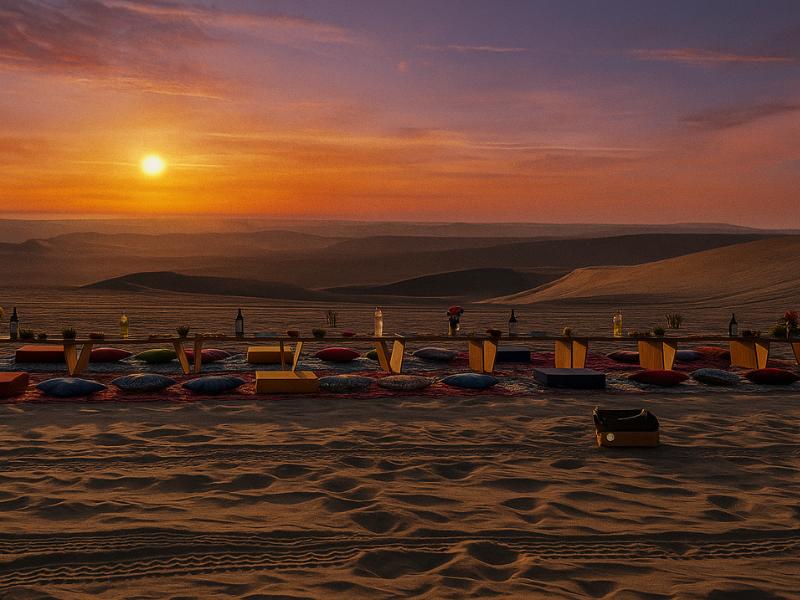
When this happens: Budget travelers discovering S/30-40 nightly hostel rates enabling week-long stays for less than two nights in Lima or Cusco sometimes extend Huacachina visits to 4-7 nights purely for cost arbitrage rather than activity interest, using the cheap desert base for Peru trip planning, laundry, rest, and general recuperation between expensive destinations. Tour group participants occasionally face multi-day waits when organized itineraries schedule Nazca Lines flights or Paracas departures several days after Huacachina arrival, with inflexible package timing forcing extended stays that independent travelers with schedule control would never choose voluntarily. Some travelers arrive planning shorter visits and discover hostel social scenes compelling enough extending stays for party atmosphere and new friendships rather than destination activities they’ve already exhausted.
Activity exhaustion: By day four the oasis reveals itself as genuinely tiny with photo compositions that seemed endless initially proving to be variations on perhaps 15-20 distinct viewpoints exhausted across first 48 hours, dune buggy tours that felt thrilling initially becoming obviously repetitive formulas following identical routes, and swimming that provided pleasant relief transforming into the only remaining activity option beyond reading and internet time. Visitors attempting to fill fourth and fifth days report significant empty hours spent on hostel common areas, extended restaurant meals stretched artificially to consume time, and afternoon naps occurring from boredom rather than exhaustion. The limited town geography means every walk eventually circles the same 15-minute lagoon perimeter encountering identical views and restaurants that initial discovery made interesting but repetition renders mundane.
Dining fatigue: The ten to fifteen restaurants around the lagoon serving nearly identical tourist menus mean fourth-night dinners involve choosing which previously visited establishment to repeat rather than discovering new options, with menu familiarity eliminating the novelty that first meals provided. Most restaurants offer pizza, pasta, lomo saltado, and ceviche variations with enough similarity that attempting different properties doesn’t deliver meaningfully different experiences, creating genuine dining boredom that shorter stays never encounter. Budget travelers extending stays to week-long durations sometimes resort to buying groceries in Ica and preparing hostel meals specifically to avoid the restaurant repetition that becomes psychologically exhausting even when food quality remains acceptable.
Who actually does this: Long-term backpackers traveling South America across 3-12 months sometimes settle into week-long Huacachina stays as social bases where meeting other travelers and party hostel nightlife provides entertainment that destination activities don’t sustain. Travelers recovering from serious altitude sickness after Cusco visits or food poisoning episodes sometimes extend originally planned 1-2 night stays into 5-7 night recuperation periods where health recovery rather than tourism drives the duration decision. Digital nomads and remote workers occasionally use Huacachina’s cheap accommodation and adequate internet as temporary work bases, with the lack of tourist distractions creating productivity-friendly environment for extended focused work periods that conventional vacation locations don’t enable.
Honest assessment: Four or more nights proves dramatically too long for any conventional tourism purpose with active destination engagement, representing duration appropriate only for the specific budget, health, work, or social circumstances described above rather than itinerary planning that most Peru travelers execute. The limited activities, tiny geography, repetitive dining, and genuinely exhausted photo opportunities by day three mean additional nights add only diminishing marginal value approaching zero for visitors who’ve already experienced sunset tours, morning swimming, dune hiking, and evening oasis atmosphere that Huacachina offers most people. Travelers pre-booking 4+ nights before arrival almost universally report wishing they’d allocated those extra days to Cusco, Arequipa, or other Peru destinations delivering substantially more activity depth and variety that multi-day stays actually reward.
Activities Timeline – What Actually Takes How Long
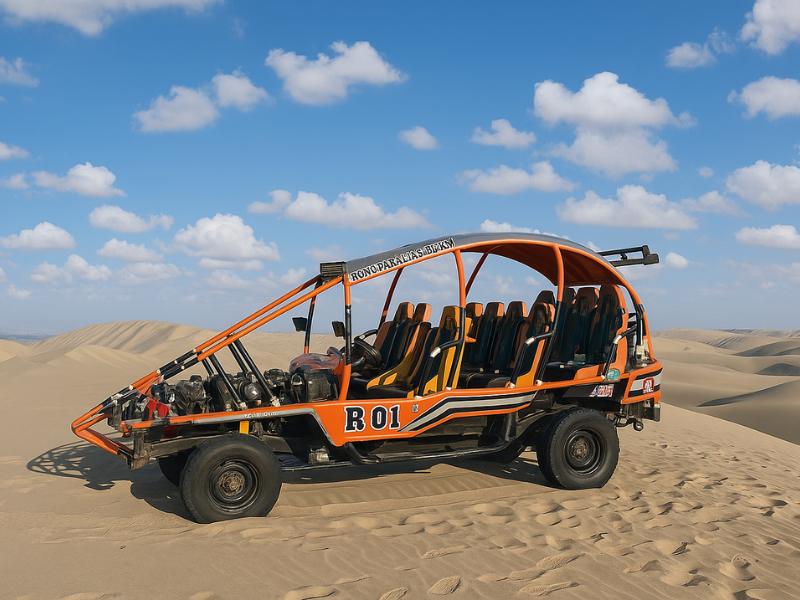
Sunset dune buggy tour: Two-hour experience departing 4-5pm depending on season and operator, with actual buggy driving consuming approximately 45 minutes while remaining time covers safety briefing, three to four sandboarding stops at different dunes, sunset viewing from high ridge positions, group photos, and return journey to town. The 6:30-7pm return timing proves consistent across most operators regardless of exact departure hour, with tours calibrated to reach prime sunset viewpoint around 6-6:30pm during the golden hour that justifies the specific afternoon scheduling. Physical demand proves moderate with sandboarding requiring brief hiking carrying boards uphill followed by downhill runs, while buggy riding itself involves passive sitting though occasionally intense holding during sharp turns and steep descents.
Trying to choose how to spend your time on the dunes? This comparison of sandboarding vs dune buggy in Huacachina tours helps you decide based on your energy level and travel style.
Sunrise dune buggy tour: Identical two-hour format to sunset tours with 5-6am departure replacing afternoon timing, returning participants to hotels by 7:30-8am for breakfast without disrupting subsequent morning activities or checkout schedules. The predawn wake-up call around 4:30-5am eliminates most casual participants with sunrise tours attracting primarily photography enthusiasts wanting different lighting, repeat visitors who’ve already completed sunset tours, and early risers who naturally prefer morning activities. Physical demands match sunset tours though cooler temperatures make uphill sandboarding hikes slightly easier, while the dramatic desert sunrise provides comparable visual spectacle to evening golden hour from different directional lighting creating distinct photographic opportunities.
Lagoon walk complete circuit: Fifteen to twenty minutes covers the entire oasis perimeter at leisurely pace including photo stops at the most iconic palm tree clusters, hotel viewpoints, and dune backdrop positions that everyone photographs. The compact loop means visitors complete full circuits multiple times during even single-night stays, with morning, afternoon, and evening walks each revealing different lighting and activity levels around the same restaurants, hotels, and beach areas. Zero physical demand makes the walk accessible to all fitness levels, while the compressed distance means genuine exploration proves impossible beyond the single circuit route that everyone follows identically.
Swimming and beach time: One to two hours represents typical duration covering swimming in the lagoon or hotel pools, beach lounging, and the general water-oriented relaxation that desert heat makes appealing during afternoon hours. Lagoon water quality varies seasonally affecting how long visitors actually swim versus simply wade or photograph themselves in water, with cleaner months supporting extended swimming while algae-heavy periods reduce most visitors to brief dips for photos. Hotel pools when available often receive more actual swimming time than the lagoon itself, with chlorinated water and better maintenance creating more appealing conditions for extended water time that some travelers specifically plan around when booking accommodations.
Dune hiking: One to three hours depending on ambition level and physical fitness, with casual climbs to nearest viewpoint dunes requiring 30-45 minutes round-trip while comprehensive multi-peak circuits covering several ridges consume 2-3 hours for genuinely enthusiastic hikers. The activity proves significantly more physically demanding than most visitors anticipate with soft sand doubling the effort required versus solid-ground hiking, steep dune faces creating genuine cardiovascular challenge, and desert heat adding exhaustion factor that morning or evening timing partially mitigates. Free activity requiring zero equipment beyond proper footwear and sun protection makes dune hiking the primary non-tour option for budget travelers and fitness enthusiasts wanting extended physical activity beyond brief sunset tour hiking segments.
| Activity | Duration | Physical Demand | Cost | Best Timing | Notes |
|---|---|---|---|---|---|
| Sunset Dune Buggy Tour | 2 hours | Moderate | S/35-50 | 4-5pm departure | Primary activity, essential |
| Sunrise Dune Buggy Tour | 2 hours | Moderate | S/35-50 | 5-6am departure | Optional, photography focus |
| Lagoon Walk Circuit | 15-20 min | Very Low | Free | Anytime | Repeat multiple times |
| Swimming (lagoon) | 30-60 min | Low | Free | Daytime | Water quality varies |
| Swimming (hotel pool) | 1-2 hours | Low | Included | Daytime | If hotel has pool |
| Beach Lounging | 1-3 hours | None | Free | Afternoon | Relaxation, reading |
| Dune Hiking | 1-3 hours | High | Free | Early morning/evening | Avoid midday heat |
| Restaurant Meals | 1-1.5 hours | None | S/25-45 | Lunch/dinner | Limited variety |
| Photography Sessions | Variable | Low-Moderate | Free | Golden hours | Sunrise/sunset best |
| Ica Winery Day Trip | 3-4 hours | Low | S/40-80 | Morning departure | Optional extension |
Special Circumstances Affecting Duration
Weather disruption: Coastal fog or unusual cloud cover occasionally ruins sunset visibility during December-February summer months, with roughly 20-30% of these period’s evenings showing enough haze that dramatic photography proves impossible despite tours proceeding with reduced visual impact. Visitors experiencing disappointing weather-affected first sunset tours sometimes extend stays by one night attempting second tours under clearer conditions, with this weather-recovery strategy making sense when budget and schedule flexibility accommodate the adjustment. Most operators don’t provide refunds for weather-diminished tours as conditions beyond their control, making the repeat attempt strategy the only recourse for visitors specifically prioritizing sunset photography quality.
We’ve mapped out the best time to visit Huacachina tours month by month so you know when conditions peak and when to avoid the worst of the heat and crowds.
Sandboarding learning curve: First-time sandboarders attempting standing technique typically fall repeatedly with most giving up after 3-5 attempts, while genuinely determined visitors wanting standing mastery sometimes book second or third tours specifically for additional practice that single sessions don’t provide. The learning curve proves steeper than most participants expect, with balance, weight distribution, and sand-specific technique requiring more attempts than the 4-6 runs that single tours accommodate. Enthusiasts committed to achieving standing success report that second tours with prior experience enable progression impossible during first attempts when equipment unfamiliarity and general nervousness prevent technique focus, making repeat tours genuinely valuable for this specific skill-building goal rather than just repetitive desert sightseeing.
We’ve covered sandboarding for beginners in Huacachina tours in detail so you know what gear is provided, how the instruction works, and what the dunes actually feel like.
Photography priorities: Serious photographers wanting comprehensive coverage of sunrise, midday, golden hour, sunset, and night desert photography sometimes extend stays to 2-3 nights capturing complete lighting spectrum that weather variations and seasonal timing affect significantly. Multiple sunset attempts enable composition refinement, equipment testing, and the backup insurance that weather disruption of single evening wouldn’t ruin entire photography mission. The photography justification proves legitimate for genuine enthusiasts with portfolio or professional purposes, though casual Instagram photographers generally find single sunset tour providing sufficient content that additional nights don’t meaningfully enhance.
Budget accommodation: Thirty to forty soles nightly for hostel dorm beds makes extended Huacachina stays financially painless with five nights totaling S/150-200 compared to single nights in Lima or Cusco costing similar amounts, creating situations where cost considerations override activity availability in duration decisions. Budget travelers with limited daily spending allowances sometimes view cheap Huacachina accommodation as strategic rest periods reducing trip costs, with the boring third through fifth days proving acceptable tradeoffs for budget preservation enabling subsequent splurges at higher-priority destinations. This financial calculation makes sense only for genuinely budget-constrained travelers where S/30-40 daily savings across multiple days proves meaningful rather than travelers who can afford S/80-150 nightly elsewhere but choose Huacachina extensions unnecessarily.
Practical recommendation: Book single-night accommodation initially with mental willingness to extend if arrival reveals genuine desire for additional time, rather than pre-committing to 2-3 nights before experiencing Huacachina’s actual size, activity options, and personal compatibility with small desert oasis stays. Most hotels accommodate same-day extensions during shoulder season April-May and September-November when occupancy runs 40-60%, while peak June-August requires advance booking that sometimes forces duration commitment before travelers can assess actual needs through direct experience.
FAQ: Huacachina Duration Questions
1. Is one night enough in Huacachina?
Yes completely – single night covers sunset dune buggy tour, sandboarding, evening oasis atmosphere, and morning swimming representing everything most visitors came specifically to experience. The format proves efficient without feeling rushed when properly timed with 2-3pm arrival and 10am-noon next-day departure.
2. Can you see Huacachina in a day?
You can photograph it in a day but completely miss the sunset dune buggy tours departing 4-5pm that represent the destination’s primary activity. Day trips function as photo stops only, with the lagoon walk, lunch, and swimming covering the activity ceiling that daytime-only format allows.
3. How long should I stay in Huacachina?
One to two nights optimal for most travelers, with single nights covering essentials efficiently and two nights adding relaxed pacing without the boredom three or more nights create. The tiny town with limited activities genuinely doesn’t reward extended stays that larger Peru destinations justify.
4. Is two nights too long for Huacachina?
Not too long though approaching the maximum worthwhile duration, with second night adding optional sunrise tour and full relaxation day without fundamentally new experiences. Some visitors report by second evening that single night would have sufficed given activity repetition and limited dining variety.
5. What can you do in Huacachina for 2 days?
First day sunset dune buggy tour and evening oasis time, second day optional sunrise tour, swimming, dune hiking, and general relaxation before departure. The second full day adds comfortable pacing though activity variety remains limited with most options repeating first day’s experiences.
6. Is Huacachina worth staying overnight?
Absolutely essential for experiencing sunset dune buggy tours that justify the destination’s fame and travel time investment reaching it. Day trips miss the primary activity entirely, reducing visits to photo stops that don’t reward the 4-5 hour journey from Lima or multi-hour detours from other routes.
7. How much time do you need for a dune buggy tour?
Two hours total including departure, safety briefing, buggy driving, 3-4 sandboarding stops, sunset viewing, and return to town. Tours depart 4-5pm returning around 6:30-7pm, with sunrise tours following identical 2-hour format during early morning 5-6am departures.
8. Can you get bored in Huacachina?
Yes by day three for most visitors given limited activity variety, small geography, and repetitive dining options. The oasis delivers focused desert experience perfectly within 1-2 nights though extended stays reveal the genuine limitations of tiny town lacking the depth rewarding multi-day destinations.
Glossary: Huacachina Duration Planning Terms
Overnight Stay Necessity: Requirement for experiencing sunset dune buggy tours departing 4-5pm that day-trippers cannot access regardless of origin city. The overnight format distinguishes genuine Huacachina visits from photo stops missing the primary activity justifying destination travel time.
Sunset Tour Timing Constraint: The 4-5pm dune buggy departure schedule that eliminates day trip viability from Lima and creates rushed timing from Paracas. This fixed timing represents the primary factor making overnight stays essential rather than optional luxury for travelers wanting actual activities beyond photos.
Activity Saturation: The point where visitors have completed available activities with additional time adding only repetition rather than new experiences. Huacachina reaches saturation around 36-48 hours for most travelers when sunset tours, swimming, dining, and photography have been thoroughly explored.
Diminishing Returns: Economic principle describing how additional nights in Huacachina provide progressively less value per time and money invested. The second night adds moderate value beyond the first, while third and subsequent nights deliver minimal incremental benefit given activity limitations.
Itinerary Integration: Strategic placement of Huacachina within broader Peru travel plans, typically as 1-2 night stop between Lima, Paracas, and Nazca. Proper integration treats Huacachina as focused desert experience rather than standalone destination justifying extended independent visits.
Desert Oasis Pacing: The relaxed atmosphere and limited activity pressure characterizing Huacachina visits, contrasting with busy multi-attraction cities requiring aggressive daily scheduling. Some travelers appreciate this slower pace while others find it boring beyond 48 hours.
Day Trip Viability: Assessment of whether day trips from specific origin cities deliver worthwhile experiences versus wasted travel time. Viable from Ica (10 minutes), marginally acceptable from Paracas (1.5 hours), completely inadvisable from Lima (4-5 hours each direction).
Extended Stay Justification: Specific circumstances including budget accommodation arbitrage, illness recovery, remote work requirements, or social hostel atmosphere that make 3+ night stays strategically valuable despite activity exhaustion. Conventional tourism purposes rarely justify durations beyond two nights.
Ready To Plan Your Huacachina Duration?
One to two nights captures everything Huacachina offers most travelers without the activity repetition, dining fatigue, and small-town claustrophobia that third and subsequent nights introduce in this genuinely tiny desert oasis. The focused duration works because the destination delivers specific experiences – sunset tours, sandboarding, desert photography, oasis atmosphere – rather than diverse multi-day exploration that larger Peru destinations reward.
Book single-night accommodation initially rather than pre-committing to multiple nights you might regret, with same-day extensions handling the occasional desire for additional time more successfully than pre-booked excess nights creating obligation completing stays that stopped being enjoyable. Most satisfied Huacachina visitors execute the efficient one-night format, departing feeling they captured the destination completely rather than either rushing through or overstaying limited offerings.
From the guides at Huacachina Tours who’ve watched every duration mistake from stressed day-trippers missing sunset tours to bored week-long overstayers who exhausted activities by day three – the sweet spot sits consistently at 1-2 nights for travelers who researched properly and planned duration matching actual available activities rather than inflated itinerary fantasies.
Choose Your Huacachina Outing
Have a travel date in mind? Check your two-hour buggy and sandboarding before arranging the rest of your trip.
A local Huacachina loop with a driver, basic boards and a sunset stop. Meet at Arenas Bar & Lounge and return there; admission is extra. English is listed. Published booking age bands start at 11.
General recommendation. Confirm your party's eligibility and arrangements with the provider.
How Much Activity Time Do You Have?
English is listed for these products. Time estimates exclude separate transfers and check-in. Child ages are booking bands, not a safety assessment. The specialist recommendation is limited to age 70 pending provider confirmation because listings differ.
| Outing | Duration | What You Get And What To Confirm |
|---|---|---|
| Two-Hour Buggy And Sandboarding | 2 hours | A local Huacachina loop with a driver, basic boards and a sunset stop. Meet at Arenas Bar & Lounge and return there; admission is extra. English is listed. Published booking age bands start at 11. |
| Four-Hour Sandboard And Sandski Experience | 4 hours | A specialist Huacachina outing with instruction, board or ski equipment, protective equipment, buggy transport and sunset. English is listed. Pickup must be coordinated; the local meeting point is also available. Published booking age bands start at 6. Not recommended during pregnancy or with back or cardiovascular conditions. |
| Lima, Paracas And Huacachina Day Trip | 18 hours | An 18-hour return trip from Lima with English or Spanish guiding, Paracas and a vineyard visit. Buggy, sandboarding, local taxes and sunset toast are included only in the Premium option; pickup depends on the option. Meals are extra. Not suitable under age 7, during pregnancy or with mobility impairments. |
Choose a date to see scheduled departures. Availability and final price are confirmed on Viator.
Check Your Huacachina Buggy Date