Sandboarding Vs Dune Buggy In Huacachina – What’S Better?
Sandboarding or dune buggy — which is actually better in Huacachina? Most travelers don’t realize both are included in the same sunset tour… but one usually becomes the real highlight. Discover what each activity truly delivers, who prefers which, physical demands, photo potential, and whether a second tour is worth it. Honest breakdown from Huacachina Tours.
Travelers researching Huacachina activities often discover mid-planning that sandboarding and dune buggy aren’t competing choices requiring a decision but rather two components of the same standard tour, then shift to wondering which element they’ll actually enjoy more when the 2-hour sunset experience combines both. The more useful question becomes which activity will become your personal highlight, whether you’d pay for a second tour specifically to do more of one, and whether the combined format allocates time the way your specific preferences deserve.
In Brief: The short loop includes both buggy riding and basic boards. Pay for a longer specialist session when equipment and instruction are the reason to go.
Check Your Huacachina Buggy DateAt Huacachina Tours where we’ve watched thousands of visitors arrive convinced sandboarding would be their highlight and discover the buggy driving genuinely thrilled them more, or come planning passive photography and find competitive sandboarding standing attempts consuming their entire focus, we provide honest comparison based on what each activity actually delivers rather than which photographs better. This guide covers what dune buggy and sandboarding independently offer, who tends to prefer each element and why, whether standalone options exist, physical demand differences, photography output comparison, cost analysis for separating the activities, and how different visitor types should prioritize their limited Huacachina tour time.
Sandboarding Vs Dune Buggy – Which Is Better?
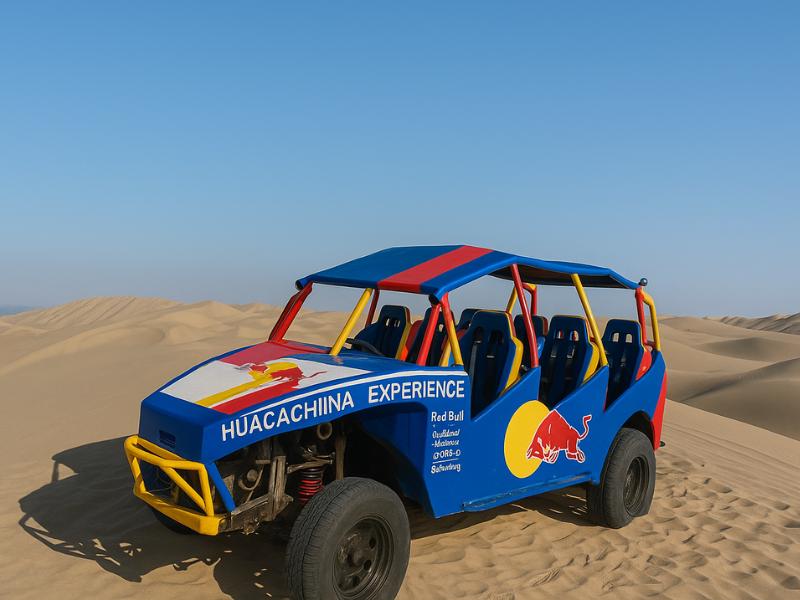
Standard Huacachina tours include both activities making this less either/or decision and more about which element becomes your personal highlight, with dune buggy delivering broader consistent appeal across all visitor types while sandboarding rewards athletic younger visitors willing to accept repeated falls as the price of personal achievement.
The combination reality: The S/35-50 standard tour price includes both activities simultaneously, meaning choosing between them typically isn’t necessary for first visits and the comparison question really asks which element justifies booking a second tour or requesting private format emphasizing one over the other. Most visitors discover their preference during the first tour rather than before it.
Who loves dune buggy more: Families with mixed ages, visitors over 50, those prioritizing sunset photography, and anyone who values consistent reliable thrills over personal performance-dependent excitement find the buggy component consistently delivers regardless of athletic ability or prior experience. The passive enjoyment requiring zero skill means everyone in the buggy experiences identical thrills simultaneously.
Who loves sandboarding more: Younger athletic visitors treating standing mastery as personal challenge, competitive personalities motivated by the skill progression element, and thrill-seekers specifically wanting active participation rather than passenger-seat excitement tend to find sandboarding the more memorable component despite the higher failure rates. The personal achievement element creates stronger emotional responses than passive buggy enjoyment when things go well.
Practical recommendation: Book the standard 2-hour combined tour for your first Huacachina experience regardless of which activity you think you’ll prefer, since visitor preferences consistently surprise even people who’ve researched both activities thoroughly and feel confident predicting their own reactions before experiencing the actual desert context. Decisions about second tours and private formats make more sense after discovering your genuine preference firsthand.
Not sure how to get there or what to expect? I’ve put together a complete guide on how to visit Huacachina tours so you arrive prepared and don’t waste time figuring it out on the fly.
| Factor | Dune Buggy | Sandboarding |
|---|---|---|
| Thrill Level | High – consistent 8/10 | Variable 3-9/10 depending on success |
| Accessibility | Operator and individual restrictions apply | Sitting universal, standing limited |
| Physical Demand | Passive – essentially none | Moderate – uphill hiking required |
| Injury Risk | Low with reputable operator | Low-Moderate (standing attempts) |
| Photography | Landscapes, panoramas, group | Action shots, falls, achievement |
| Age Suitability | Check operator restrictions | 6+ sitting, 12+ standing realistically |
| Skill Required | None | Sitting none, standing moderate |
| Fun Consistency | High – reliable delivery | Variable – skill-dependent |
| Personal Achievement | Low – passive experience | High when successful |
| Overall Broader Appeal | 9/10 – suits everyone | 7/10 – rewards specific visitor types |
Understanding The Typical Tour Format
Standard tour reality: The S/35-50 per-person sunset tour price includes both dune buggy transport and sandboarding at multiple locations as inseparable components of a single 2-hour experience, with operators structuring tours specifically around the combination rather than offering genuine activity separation as standard format. The pricing reflects this bundling so thoroughly that operators quoting only sandboarding or only buggy driving typically provide the same base price, making separation more about experience customization than cost reduction.
How tours work: Open-frame buggies carry groups of 8-10 passengers plus driver from the lagoon area to the first dune location, navigate between 3-4 different dune stops across the broader desert landscape, and return to town after the final sunset viewing stop through approximately 2 hours of combined transit and activity time. Sandboarding happens at each dune stop when guides position groups at appropriate slopes, distribute boards, provide basic instruction, and manage the rotation through individual runs while the buggy waits. The structure creates natural rhythm alternating between the passive excitement of buggy transit and the active engagement of sandboarding attempts.
Time allocation: The 2-hour total tour divides roughly into 40-45 minutes of actual buggy driving across transit sections, 60-75 minutes of sandboarding activity spread across 3-4 stops, and 10-15 minutes allocated to sunset viewing at the final elevated position. Individual stop durations of 15-20 minutes accommodate 4-6 runs per person at each location depending on group size, with larger groups reducing individual run frequency through the rotation management that prevents simultaneous descents. Visitors wanting more sandboarding time per stop discover this constraint regardless of tour type, with private tours accommodating longer stop durations for groups specifically prioritizing sandboarding practice.
Guide role: The same person drives the buggy and provides sandboarding instruction throughout the tour, managing both activity components with expertise levels varying by operator from specialized guides excelling at both to drivers with limited sandboarding coaching ability. Quality guides read group dynamics adjusting stop durations based on participant enthusiasm, extend sandboarding time when groups show high engagement and accelerate transit when interest wanes, creating flexible actual experiences within the standard format framework.
We’ve broken down how long you need in Huacachina tours based on what you actually want to do – sandboarding, dune buggy rides, and just soaking in the oasis.
| Format | Duration | Cost Per Person | Activities | Best For |
|---|---|---|---|---|
| Standard Combined Tour | 2 hours | S/35-50 | Both buggy + sandboarding | First visits, most visitors |
| Private Combined Tour | 2-3 hours flexible | S/250-400 total group | Both, customized pacing | Groups of 4+, extended practice |
| Buggy-Only (negotiated) | 1-1.5 hours | S/30-40 | Transport + viewpoints, no boards | Mobility limitations, photography focus |
| Sandboarding-Focused Private | 2-3 hours | S/300-450 total | Extended stops, minimal transit | Determined standing learners |
| Sunrise Combined | 2 hours | S/35-50 | Both, different lighting | Repeat visitors, photographers |
The Dune Buggy Experience – What It Actually Delivers
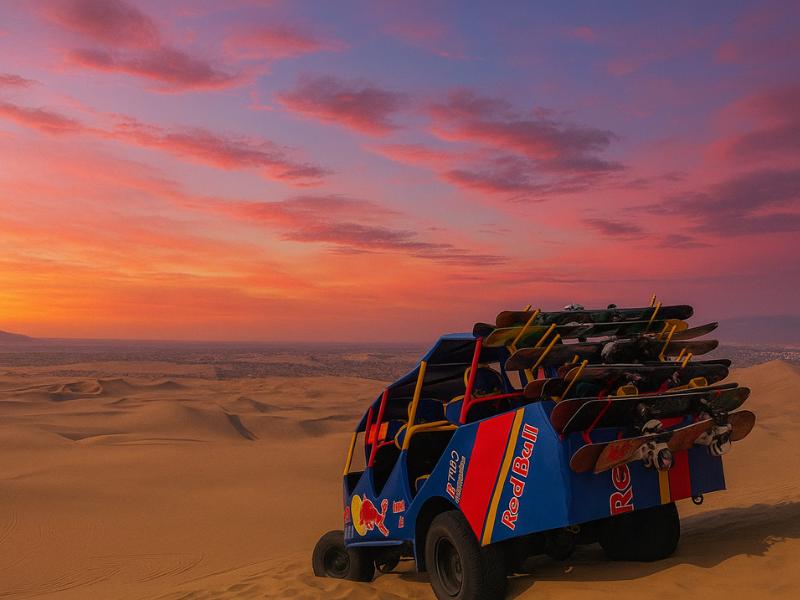
Vehicle description: Open-frame off-road buggies seating 8-10 passengers across bench rows with a driver position at front represent the standard Huacachina tour vehicle, with exposed passenger positions providing unobstructed desert views in all directions that enclosed vehicles would eliminate. The roll-cage construction and functional seatbelts on quality operators’ vehicles provide safety structure around the open-air experience, while the elevated seating position creates the desert panorama visibility that makes transit sections between sandboarding stops genuinely scenic rather than mere transportation waiting periods.
The driving experience: High-speed dune navigation involves steep face descents reaching 40-50 mph, sharp lateral turns that slide rear wheels across sand faces, occasional small jumps off dune ridges, and the continuous unpredictable motion that responsive sand terrain creates even at controlled speeds. The driver’s expertise in reading sand conditions, selecting optimal lines down steep faces, and managing the vehicle’s behavior on variable surfaces determines whether the experience delivers controlled exciting movement or genuinely unnerving instability, with quality operators making the technical driving look effortless while delivering maximum entertainment. Passengers experience the full physical sensation of desert terrain navigation without any skill requirement, creating the democratic thrill accessibility that sandboarding’s standing technique can’t match.
Passive enjoyment: Zero skill requirement means the 65-year-old grandmother and the 25-year-old extreme sports enthusiast sitting in adjacent seats experience essentially identical thrills during buggy transit sections, with fitness level, prior experience, and athletic ability creating none of the performance variation that defines sandboarding outcomes. The passive nature that some adventure-seekers initially find less appealing proves remarkably freeing once experienced, with visitors released from performance anxiety discovering they can focus entirely on the landscape, sensations, and photography that active skill-based activities distract attention from.
Scenery access: Dune peaks reaching 100-150 meters above the valley floor prove physically inaccessible during typical tour timeframes without buggy transport, with the vehicle delivering every participant to elevated viewpoints requiring 45-60 minutes of exhausting soft-sand hiking to reach independently. The desert panoramas visible from these positions including the Huacachina oasis below, surrounding dune landscape extending to the horizon, and the Andes mountains occasionally visible in the distance create the genuinely spectacular visual experiences that most Huacachina photos showcase. Sunset viewed from these elevated positions delivers the dramatic sky and landscape combination that makes the specific 4-5pm departure timing worth the planning.
Photography opportunities: Moving buggies create unique action photography perspectives including sand spray from sharp turns, steep descent angles showing vehicle against massive dune faces, and group reaction shots capturing authentic passenger expressions during unexpected terrain features. Static elevated stop positions deliver the wide landscape compositions and sunset panoramas that travel photography favors, while the desert context available only from buggy-accessible peaks creates images impossible from ground-level oasis positions that shore-based photography produces.
Sydney landscape photographer visiting Huacachina specifically for sandboarding action shots spent the entire tour photographing from the buggy instead, later telling guides that “the vehicle itself moving through this landscape created images I couldn’t have planned or predicted, and I completely forgot I’d brought a sandboard until we were heading back to town.”
The Sandboarding Experience – What It Actually Delivers
Activity description: Sandboarding involves sliding down steep dune faces on specially waxed rectangular boards either in sitting position with hands gripping sides and feet forward or standing sideways in snowboard-style stance, with the wax application to board bottoms reducing friction enough to generate the 20-35 mph speeds that make both techniques genuinely exciting rather than slow novelty experiences. Boards provided by operators require no personal equipment beyond the closed shoes and protective clothing that guides recommend, with the activity itself requiring nothing more than willingness to sit on a board and slide downhill for the accessible sitting version that everyone completes successfully.
Active participation: The fundamental difference between sandboarding and buggy driving involves personal agency, with sandboarding requiring individual decisions, physical effort, and direct performance that creates outcomes varying based on your specific choices rather than the driver’s skill determining experience quality for everyone simultaneously. The active engagement means sandboarding attention focuses inward on technique, body position, and performance rather than outward on landscape and sensation that buggy transit encourages, creating categorically different psychological experiences even when occurring at the same desert location within minutes of each other.
Skill progression: Sitting technique accessible to virtually everyone from children through elderly visitors requires no learning curve or athletic ability, delivering immediate success that builds the confidence foundation for optional standing attempts that represent genuine skill development with measurable progression across multiple runs. Standing technique requires balance, commitment, and the athletic coordination that roughly 10% of complete beginners achieve on first attempts, creating the skill-based challenge that competitive personalities specifically seek and that guides specifically enjoy teaching when tour time accommodates extended practice sessions.
Personal achievement element: Completing a successful standing run creates disproportionately strong emotional responses compared to the experience’s objective difficulty, with the combination of prior failure awareness, physical effort investment, and the public nature of dune attempts making success feel genuinely earned rather than merely experienced. Failed attempts create equally strong responses in the opposite direction, with repeated falls frustrating visitors whose self-image includes athletic competence, while guides watch some participants genuinely upset by inability to stand while others find the falling itself hilarious and socially bonding. The emotional intensity characterizing sandboarding outcomes simply doesn’t occur during buggy transit where everyone experiences identical passive enjoyment without performance variance.
Physical demand: Each sandboarding run requires hiking uphill carrying the board across 50-100 meters of soft sand that doubles exertion compared to equivalent hard-surface grades, creating genuine cardiovascular demand that accumulates across the 4-6 runs typical tours accommodate. The total hiking across all stops reaches 30-40 minutes of active physical exertion that sedentary visitors find surprisingly taxing while fit participants barely notice, with the exertion level representing the honest fitness consideration that buggy’s completely passive format simply doesn’t require.
Photography opportunities: Sandboarding produces the action photography subjects that social media favors including mid-descent speed shots, spectacular fall sequences showing sand spray and tumbling bodies, before/after comparisons documenting standing attempts, and the celebration photos that successful runs naturally generate. The documentation of personal performance progression creates content with narrative arc that landscape photography lacks, with visitors who film each other’s attempts creating genuinely entertaining footage that captures authentic reactions impossible to stage or plan.
If you’ve never been on a board in your life, here’s our honest take on sandboarding for beginners in Huacachina tours so you don’t show up with unrealistic expectations.
| Factor | Sitting Sandboarding | Standing Sandboarding | Dune Buggy |
|---|---|---|---|
| Effort Required | Low | Moderate-High | None |
| First-Time Success Rate | Not independently established | 10% | 100% |
| Thrill Level | Good 7/10 | Excellent 9/10 if successful | Consistent 8/10 |
| Photography | Fun action shots | Best action content | Best landscapes |
| Physical Demand | Low (hiking only) | Moderate (hiking + attempts) | None |
| Injury Risk | Very Low | Low-Moderate | Low (reputable) |
| Emotional Response | Positive, moderate | Intense – high highs/lows | Consistently positive |
| Who It Suits | Everyone | Athletic, competitive | Everyone |
| Age Suitability | 6 to 80+ | 12-40 realistically | All ages |
Accessibility Comparison – Who Can Do Each?
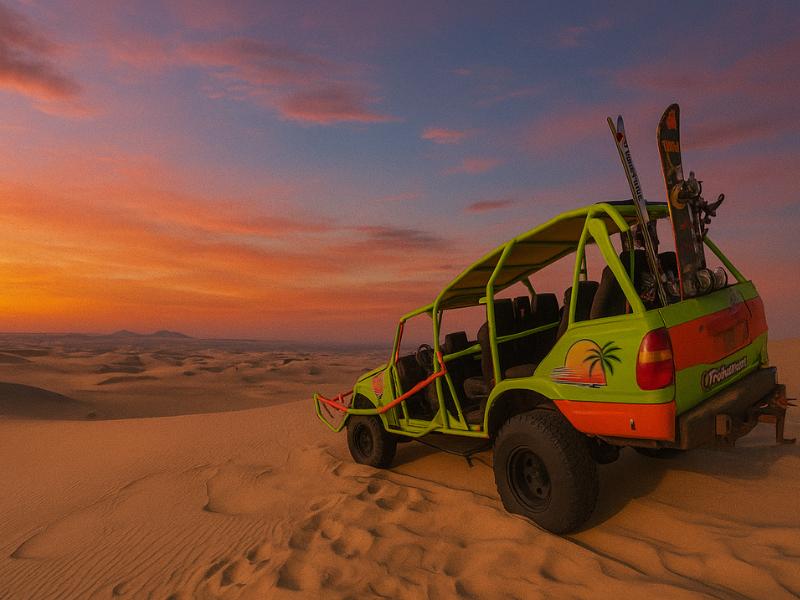
Dune buggy accessibility: Buggy riding is physically different from sandboarding, but it is not universally accessible. Boarding, restraints, bumps, age rules and individual restrictions still matter. Confirm the actual vehicle and assistance arrangements before booking.
We’ve covered visiting Huacachina tours with kids in detail so you know which operators are set up for families and what age limits apply to the dune buggy rides.
Sitting sandboarding: A basic-board descent differs from standing sandboarding, but the lower riding position does not establish universal accessibility or safety. Follow the operator’s instructions and verify that the equipment and activity suit the participant.
Standing sandboarding: Genuine skill barrier limiting first-time success to approximately 10% of complete beginners creates the realistic accessibility assessment that honest guides provide rather than encouraging everyone to attempt standing regardless of individual suitability. The combination of balance requirements, athletic coordination, committed pop-up technique, and ability to manage speed anxiety creates de facto age and fitness filtering where visitors outside the 18-40 athletic adult demographic attempt standing significantly less successfully. This doesn’t mean attempting it proves wrong for other demographics, only that expectations should account for lower success probability rather than treating universal accessibility claims as applying equally to standing technique.
Fitness requirements: Buggy requires no fitness whatsoever with completely passive riding accommodating any physical condition capable of sitting upright in a vehicle, while sandboarding’s hiking component demands basic cardiovascular fitness that most healthy adults possess without specific preparation. The soft sand hiking deceptively challenges fit visitors unaccustomed to the doubled exertion that unstable terrain creates, with the fitness requirement proving more substantial than the activity’s adventure sport marketing suggests to visitors expecting casual beach-walking equivalent demands.
Injury risk comparison: Reputable operator buggy riding shows injury rates approaching zero with maintained equipment and responsible driving, while sandboarding produces minor injuries including sand burns, bruised tailbones, and scraped elbows in 30-40% of standing attempt participants. The injury risk comparison favors buggy for all visitor types, though sandboarding’s soft sand landing surface keeps actual injury severity low enough that the comparison measures discomfort probability rather than serious harm likelihood.
If you’re on the fence about the activities, here’s the honest answer to are Huacachina tours safe based on what actually causes problems and how to avoid them.
Age considerations: Buggy suits all ages from young children through elderly visitors equally with no technique or performance requirements creating age-based disadvantage, while sandboarding’s standing technique proves genuinely age-limited with athletic 18-35 year olds succeeding most consistently and both younger children and older adults facing realistic limitations that honest guides acknowledge rather than encouraging attempts likely to result in injury.
| Visitor Type | Dune Buggy | Sitting Sandboarding | Standing Sandboarding | Recommendation |
|---|---|---|---|---|
| Elderly (65+) | Excellent | Good (assess hiking) | Not recommended | Buggy primary, sitting if mobile |
| Children 6-10 | Excellent | Excellent | Not recommended | Both accessible options |
| Children 11-14 | Excellent | Excellent | Possible, low success | Combined with standing attempts |
| Non-athletic adults | Excellent | Excellent | Low success expected | Both, standing optional |
| Athletic adults 18-40 | Excellent | Excellent | Best success window | All three activities |
| Mobility limitations | Good (guide assists entry) | Assess individually | Not recommended | Buggy focus |
| Back/neck sensitivity | Assess jostling tolerance | Good | Not recommended | Medical consultation first |
| Fitness concerns | No limit | Assess hiking | Not recommended | Buggy guaranteed accessible |
Cost Comparison – Getting Each Separately
Combined tour cost: The S/35-50 per-person standard sunset tour price represents the baseline cost for experiencing both activities simultaneously, with this bundled pricing making the combined format so financially efficient that separating activities provides minimal savings while reducing experience comprehensiveness. Operators pricing sitting-only or standing-only sandboarding sessions typically charge S/25-35, saving S/10-20 while eliminating buggy access that most visitors find genuinely valuable after experiencing it during combined tours.
Private buggy tour: Group private tours at S/250-400 total for the entire buggy regardless of passenger count work out to per-person costs approaching standard rates for groups of 6+ while providing the customization benefits of flexible timing, extended stops, and route modification that public group tours don’t accommodate. Buggy-only format without sandboarding boards requires operator negotiation as most private tour packages include both activities automatically, with some operators accommodating photography-focused buggy tours that eliminate sandboarding stops in favor of additional scenic viewpoint time.
Sandboarding without buggy: Rare standalone option that some operators accommodate at S/20-30 per person covering board rental, wax, and guide presence at single dune locations without the vehicle transport that reaches multiple locations across the broader dune landscape. The standalone format suits visitors specifically wanting extended practice time at single locations rather than the variety that multi-stop combined tours provide, proving most relevant for repeat visitors who’ve already experienced the full combined tour and want dedicated standing technique practice sessions.
Value analysis: Combined tours deliver both activities at prices that standalone alternatives barely undercut, making separation financially questionable for most visitors whose primary motivation proves experience optimization rather than marginal cost reduction. The S/10-20 savings from choosing sandboarding-only over combined tours sacrifices the buggy experience that most visitors retrospectively identify as tour highlight, making this a poor value trade in the specific direction that price-focused visitors most commonly attempt.
Second tour costs: Visitors wanting more sandboarding practice after discovering genuine enthusiasm during first tours face the choice between paying S/35-50 for full repeat tours including buggy sections they’ve already experienced, negotiating sandboarding-focused private sessions at potentially comparable pricing, or accepting that the available practice volume within standard tour format represents reasonable value for casual interest rather than genuine skill development investment.
London couple booked one combined tour together expecting to share identical highlights, with the boyfriend spending every sandboarding stop attempting standing and accumulating impressive falls while the girlfriend stopped after her first sitting run and spent remaining time photographing the buggy driving and desert landscapes, both finishing the tour insisting “that was absolutely the best part” about completely different activities from the same experience.
| Cost Scenario | Format | Cost Per Person | What You Get | Value Rating | Best For |
|---|---|---|---|---|---|
| Standard Combined | Group, 2 hours | S/35-50 | Both activities, all stops | 10/10 | Most visitors |
| Private Combined | Private group, flexible | S/40-65 (group of 6) | Both, customized pacing | 9/10 | Groups wanting flexibility |
| Buggy-Only (negotiated) | Group or private | S/30-45 | Transport + viewpoints only | 7/10 – Limited | Mobility issues, photographers |
| Sandboarding Focus Private | Private, extended stops | S/50-75 | More practice time per stop | 8/10 | Standing technique learners |
| Repeat Standard Tour | Group, 2 hours | S/35-50 | Full experience again | 7/10 – Diminishing returns | Second sunset attempt, more practice |
| Standalone Sandboarding | Single location | S/20-30 | One dune, extended practice | 6/10 | Very specific practice goal |
FAQ: Sandboarding Vs Dune Buggy Questions
1. Are sandboarding and dune buggy the same tour in Huacachina?
Yes – standard tours combine both activities in a single 2-hour sunset experience at S/35-50 per person, with the buggy transporting groups between dune locations where sandboarding happens at each stop. The comparison question is really about which element becomes your personal highlight rather than choosing between separate bookings.
2. Which is more fun – sandboarding or dune buggy?
Depends entirely on your personality with buggy delivering consistent reliable thrills for virtually everyone while sandboarding fun varies dramatically based on standing success rate. Passive enjoyment fans prefer buggy, personal achievement seekers prefer sandboarding, and most visitors find themselves surprised by which element actually resonated more during the actual tour.
3. Can I do just sandboarding without the dune buggy?
Some operators accommodate standalone sandboarding at single dune locations for S/20-30, though the rare format sacrifices multi-location variety and buggy access to elevated viewpoints. Most visitors find the combined tour’s value proposition makes standalone sandboarding financially questionable given the minimal savings.
4. Can I do just the dune buggy without sandboarding?
Possible through operator negotiation for photography-focused or mobility-limited visitors wanting scenic desert viewpoints without sandboarding stops, typically priced similarly to combined tours. Useful specifically for visitors with physical limitations preventing sandboarding participation rather than preference-based activity selection.
5. Is sandboarding or dune buggy better for families?
Dune buggy suits mixed-age families most consistently with universal accessibility regardless of children’s ages and elderly relatives’ fitness levels, while sitting sandboarding works well for children 6 and older. Standing sandboarding proves inappropriate for younger children, making the buggy the reliable family highlight that all members experience equally.
6. Which is more dangerous – sandboarding or dune buggy?
Sandboarding produces more frequent minor injuries including sand burns and bruised tailbones affecting 30-40% of standing attempt participants, while buggy with reputable operators shows injury rates approaching zero. Neither activity poses serious danger with proper operator selection and reasonable precautions, with sandboarding’s soft sand landing keeping injury severity low despite higher frequency.
7. Which produces better photos and videos?
Sandboarding delivers better action photography with fall sequences, speed shots, and personal achievement moments creating compelling social media content, while buggy produces superior landscape and panoramic photography from elevated desert positions. Video content favors sandboarding for entertainment value while still photography often favors buggy’s scenic desert backdrops.
8. Should I book a second tour if I want more sandboarding time?
Only if genuinely determined to master standing technique requiring more attempts than single tours provide, with repeat combined tours at S/35-50 representing reasonable investment for enthusiasts and private sandboarding-focused sessions accommodating extended practice at specific dunes. Casual interest in additional runs doesn’t justify repeat tour costs when single tours already provide 4-6 attempts.
Glossary: Sandboarding Vs Dune Buggy Terms
Combined Tour Format: Standard Huacachina tour structure integrating both dune buggy transport and sandboarding activity within single 2-hour sunset experience at S/35-50 per person. Makes the sandboarding vs buggy comparison about personal highlight preference rather than booking choice for first-time visitors.
Passive vs Active Experience: Fundamental distinction between dune buggy’s passenger-seat enjoyment requiring zero skill or effort and sandboarding’s personal performance requiring physical exertion and technique. Determines which activity creates stronger emotional responses with passive experiences delivering consistent moderate satisfaction while active experiences create variable high highs and frustrating lows.
Dune Buggy Route: Predetermined circuit connecting 3-4 dune locations across the broader desert landscape, reaching elevated peaks inaccessible on foot within typical tour timeframes. Route selection by guides determines which sandboarding slopes participants access and which sunset viewpoints the group reaches for golden-hour photography.
Sandboarding Stops: Designated dune locations where buggies pause for 15-20 minutes allowing participants 2-3 runs each before continuing to next location. Stop duration determines individual run frequency with larger groups reducing per-person attempts through rotation management that prevents simultaneous descents.
Personal Achievement Element: Psychological component of sandboarding creating stronger emotional investment than passive buggy enjoyment through individual performance variance and skill progression. Explains why successful standing runs generate disproportionate satisfaction while repeated failures frustrate participants who experience identical buggy thrills as everyone else.
Sunset Viewpoint Access: Elevated dune positions reached exclusively via buggy transport where groups observe sunset over desert landscape, representing a primary buggy value proposition beyond transport function. The specific elevated viewpoints delivering Huacachina’s most photographed sunset compositions prove physically inaccessible within typical tour timeframes without vehicle assistance.
Standalone Activity Option: Rare tour format separating sandboarding or buggy from the standard combined package, typically negotiated directly with operators for specific purposes including photography focus or mobility accommodation. Financial savings over combined tours prove minimal making standalone options most relevant for specialized needs rather than general preference-based separation.
Tour Time Allocation: The approximate 45-minute buggy driving and 60-75-minute sandboarding division within standard 2-hour tours determining how much practice time participants receive at each activity. Private tours allow custom allocation extending sandboarding stops for practice-focused visitors or adding scenic buggy sections for photography-prioritizing groups.
Ready To Experience Both In Huacachina?
The sandboarding vs dune buggy comparison proves mostly academic for first-time visitors since standard tours include both at prices that standalone alternatives barely undercut, making the question really about managing expectations for which element will resonate more with your specific personality and preferences. Book the combined tour, experience both genuinely, and decide afterward whether your highlight deserves dedicated focus through private or repeat tours.
Dune buggy delivers consistent broad appeal that suits virtually every visitor type through passive thrills, universal accessibility, and the elevated desert viewpoints that sunset photography requires, while sandboarding rewards the specific personality types who find personal performance challenges more meaningful than shared passenger experiences. Neither activity proves objectively better across all visitors, with genuine preference distribution across thousands of tours remaining surprisingly balanced between people who insist buggy was the point and those who only remember the sandboarding.
From the guides at Huacachina Tours who’ve watched competitive athletes forget their standing ambitions entirely while photographing the desert from buggy peaks, seen nervous non-athletic visitors discover genuine sandboarding joy they never anticipated, and witnessed thousands of visitors finish identical tours insisting completely different elements were the highlight – the only reliable prediction is that your actual preference will probably surprise you.
Choose Your Huacachina Outing
Have a travel date in mind? Check your two-hour buggy and sandboarding before arranging the rest of your trip.
A local Huacachina loop with a driver, basic boards and a sunset stop. Meet at Arenas Bar & Lounge and return there; admission is extra. English is listed. Published booking age bands start at 11.
General recommendation. Confirm your party's eligibility and arrangements with the provider.
Which Experience Matters Most?
English is listed for these products. Time estimates exclude separate transfers and check-in. Child ages are booking bands, not a safety assessment. The specialist recommendation is limited to age 70 pending provider confirmation because listings differ.
| Outing | Duration | What You Get And What To Confirm |
|---|---|---|
| Two-Hour Buggy And Sandboarding | 2 hours | A local Huacachina loop with a driver, basic boards and a sunset stop. Meet at Arenas Bar & Lounge and return there; admission is extra. English is listed. Published booking age bands start at 11. |
| Four-Hour Sandboard And Sandski Experience | 4 hours | A specialist Huacachina outing with instruction, board or ski equipment, protective equipment, buggy transport and sunset. English is listed. Pickup must be coordinated; the local meeting point is also available. Published booking age bands start at 6. Not recommended during pregnancy or with back or cardiovascular conditions. |
Choose a date to see scheduled departures. Availability and final price are confirmed on Viator.
Check Your Huacachina Buggy Date