Is Huacachina Safe?
Is Huacachina actually dangerous — or are Peru travel warnings misleading you? Get the real safety breakdown covering petty theft, dune buggy risks, scams, solo travel, night safety, and what truly matters in this tiny desert oasis. Honest, on-the-ground advice from Huacachina Tours so you can plan with confidence.
Travelers researching Huacachina safety encounter Peru-wide crime warnings that make no distinction between Lima’s urban neighborhoods and a tiny 100-person desert oasis, creating alarm that doesn’t reflect actual visitor experience at this specific destination. Generic South America travel advisories mentioning pickpockets, scams, and violent crime apply to very different environments than Huacachina, leaving travelers genuinely uncertain whether standard precautions suffice or whether the oasis requires serious security planning.
In Brief: Select an activity by its operator, equipment and restrictions. Booking online does not guarantee safety or personal suitability.
Check Your Huacachina Buggy DateAt Huacachina Tours where we operate daily and watch what actually affects visitors versus what theoretical risk assessments flag as concerns, we provide honest safety assessment separating real manageable risks from exaggerated warnings. This guide covers petty theft at the lagoon beach, dune buggy operator quality determining accident risk, health dangers from sun and dehydration, common tourist scams, night safety around the small oasis, solo traveler considerations, and the practical precautions covering 95% of actual risk scenarios that informed visitors encounter.
Is Huacachina Safe For Tourists?
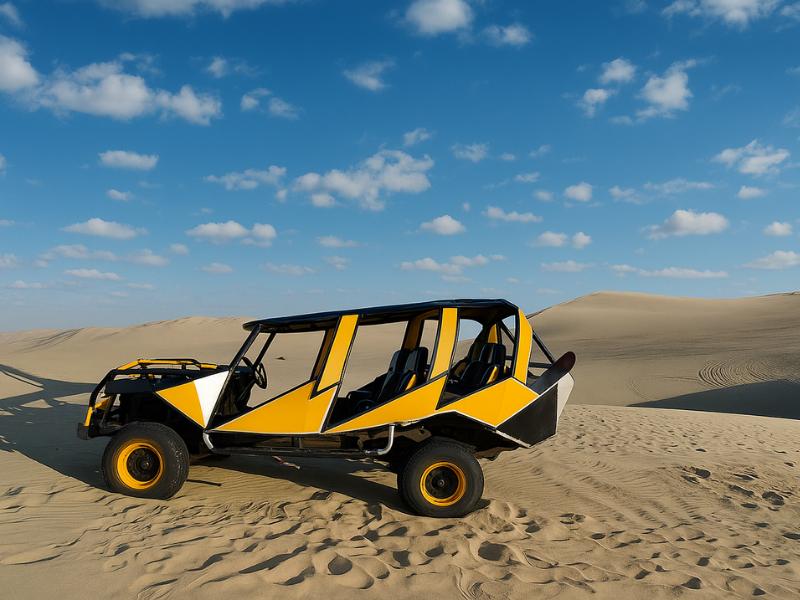
Huacachina ranks among Peru’s safest tourist destinations, a genuinely small oasis town where the primary risks involve unattended bags getting stolen at the lagoon beach, poor-quality dune buggy operators cutting safety corners, and the sun and dehydration that desert environments create for unprepared visitors. Violent crime, armed robbery, and the urban threats characterizing Lima warnings simply don’t apply to a 100-person town where tourism represents essentially the entire local economy and repeat visitor reputation matters considerably.
Primary real risks: Petty theft from bags left on lagoon beaches while owners swim represents the most consistently reported visitor incident, followed by dune buggy accidents with operators who skip maintenance and seatbelt requirements, and health problems from sunburn and dehydration affecting visitors who underestimate desert UV intensity and physical exertion requirements. These three risk categories account for the vast majority of actual negative visitor experiences, with all three proving largely preventable through basic awareness rather than requiring sophisticated security measures.
Comparison with Lima: Huacachina operates in fundamentally different safety environment than Peru’s capital where urban pickpocketing, taxi scams, and neighborhood-specific crime create genuine complexity requiring more vigilant precautions. The small-town dynamic where residents know most faces, tourism dependency creates community interest in visitor safety, and limited geography eliminates the confusing urban navigation that creates vulnerability in large cities makes Huacachina substantially more relaxed than Lima for independent travelers.
Getting here safely matters too: the trip to Huacachina involves more actual risk than the town itself, since it means a bus terminal, a taxi leg from Ica, and, for visitors who don’t speak Spanish, negotiating both without a shared language. Peru Hop (check prices here) removes most of that: hotel pickup and drop-off at every stop instead of a street taxi with luggage, a bilingual host riding the bus, and GPS-tracked vehicles with two drivers on the longer legs. It is not the cheapest way to reach the oasis, but it takes the terminal-and-taxi risk out of the journey for travelers who would rather not manage it alone.
Practical recommendation: Apply standard tourist precautions covering valuables management, operator research, and basic health preparation rather than the elevated security awareness appropriate for Lima or other major cities, as the actual risk profile resembles a small European tourist village more than the urban Peru that alarming travel warnings typically describe. Most visitors complete Huacachina stays without any safety incidents when applying common sense rather than either paranoid over-preparation or naive carelessness.
Peru Hop (check prices here) tip: travelers who don't speak Spanish or would rather skip the Ica bus terminal and taxi leg altogether can book door-to-door with Peru Hop, which stops at Huacachina on its Lima to Paracas route and continues on to Nazca, Arequipa and Cusco on the same flexible, one-year pass.
| Risk Category | Likelihood | Severity | Primary Scenario | Prevention |
|---|---|---|---|---|
| Petty Theft | Moderate | Low-Moderate | Unattended bags at lagoon beach | Never leave valuables unattended |
| Dune Buggy Accident | Low with reputable operator | Low-Moderate | Poor operator maintenance, reckless driving | Book through hotel recommendations only |
| Sun/Dehydration | Moderate | Moderate | Underestimating desert UV, insufficient water | Sunscreen, 2L+ daily water, rashguard |
| Scams/Overcharging | Low-Moderate | Low | Inflated prices, misrepresented tours | Confirm prices before committing |
| Food/Water Illness | Low | Low-Moderate | Tap water, undercooked food | Bottled water, standard food hygiene |
| Violent Crime | Very Rare | High | Not characteristic of Huacachina | Normal awareness sufficient |
| Night Safety Issues | Low | Low | Deserted areas after midnight | Stay on lit lagoon perimeter |
Petty Theft – The Primary Real Risk
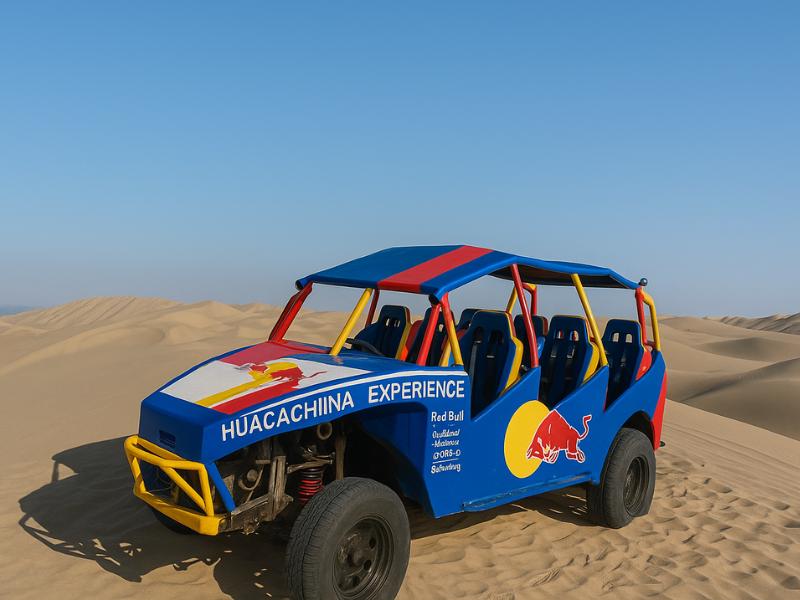
Most common incident: Bags left unattended on lagoon beach while owners swim represent Huacachina’s most frequently reported theft scenario, with phones, cameras, wallets, and passports left visible on beach towels creating the obvious opportunity that opportunistic theft targets rather than the organized crime that more sophisticated operations require. The pattern repeats so consistently that it represents genuine prevention opportunity rather than unavoidable risk, with virtually every theft incident involving valuables left completely unattended versus items actively carried or secured. Travelers who adopt the simple habit of leaving valuables locked in hotel rooms during swimming sessions eliminate this risk category entirely rather than managing it.
Who commits theft: Opportunistic individuals targeting obvious carelessness rather than organized criminal networks conducting surveillance and planned operations, meaning that removing the obvious opportunity eliminates the theft motivation that careful valuables management makes impossible to act on. The small-town community dynamic means truly organized tourist crime proves difficult sustaining without community awareness developing, with the theft incidents that do occur involving outsiders or situation-specific opportunism rather than coordinated schemes. This distinction matters practically because opportunistic theft responds to basic precautions while organized crime requires different countermeasures that Huacachina’s risk profile doesn’t justify.
Prevention: Hotel room lockers or in-room safes secure valuables during beach time, money belts worn under clothing protect documents and emergency cash during active exploration, and the simple practice of carrying only what you need for specific activities eliminates the valuable-rich target profile that theft requires. Phone snatching occurs occasionally near lagoon edges at night when people use phones in low-traffic areas, with the risk essentially disappearing when staying on the lit restaurant strip rather than wandering darker lagoon sections after 10-11pm.
| Location | Risk Level | Common Incidents | Prevention |
|---|---|---|---|
| Lagoon Beach | Moderate | Bags stolen while swimming | Never leave valuables unattended |
| Hostel Common Areas | Low | Unsecured items from bunks | Use provided lockers |
| Restaurant/Bar | Very Low | Phone left on table | Keep phone in pocket |
| Dune Buggy Tour | Very Low | Loose items falling during buggy | Secure everything before departure |
| Night Walking (lit areas) | Very Low | Minor phone snatching | Stay on restaurant strip |
| Night Walking (dark areas) | Low-Moderate | Opportunistic snatching | Avoid after midnight |
| Hotel Room | Very Low | Unlocked room access | Use room lock and safe |
Dune Buggy Safety – Choosing The Right Operator
Accident reality: Dune buggy incidents occur in Huacachina with enough frequency that operator selection represents a genuine safety decision rather than merely preference question, with accidents clustering almost entirely around substandard operators using poorly maintained vehicles, allowing reckless driving that thrills participants while creating real risk, and skipping the safety briefings that proper technique and holding positions require. Reputable established operators running well-maintained buggies with functioning seatbelts and experienced drivers who balance excitement with reasonable risk management show accident rates approaching zero, making the operator quality distinction the primary variable determining actual safety rather than the inherent activity risk that dune buggy driving creates uniformly.
What causes accidents: Vehicle maintenance failures including brake problems, steering issues, and structural weaknesses that proper maintenance schedules prevent represent the mechanical risk factor, while driver behavior including excessive speed on steep dune faces, sharp turns at dangerous velocities, and showing off for groups creates the human risk factor. Some operators specifically market aggressive driving as selling point attracting thrill-seekers who then discover the difference between exciting and genuinely dangerous at moments too late for second operator selection. The combination of mechanical and human factors in poor operators creates risk profiles dramatically higher than established operators maintaining equipment professionally and training drivers to operate within reasonable safety parameters.
Operator quality spectrum: Established operators with physical offices around the lagoon, maintained vehicle fleets, proper insurance, and hotel referral networks represent the safe end, while street touts approaching travelers aggressively offering the lowest prices and departing from informal meeting points represent the concerning end where cutting safety costs funds the pricing differential. The S/5-10 per-person savings from the cheapest operators proves meaningless if inadequate maintenance or reckless driving creates injuries requiring medical treatment costing hundreds or thousands of soles, making operator quality a genuine value calculation rather than luxury preference.
Injury severity reality: Most dune buggy incidents with any operator tier produce minor injuries including bruises, scrapes, and motion sickness rather than serious trauma, with soft sand landings reducing impact severity compared to hard surface accidents. Serious injuries remain genuinely rare even with substandard operators though they do occur, with the risk-reduction from reputable operator selection representing the practical intervention available to travelers who cannot eliminate activity risk entirely. Zero serious incidents in our operational history at Huacachina Tours reflects the maintenance and driver training investment that justified operators make rather than luck differentiating safety outcomes.
We’ve broken down sandboarding vs dune buggy in Huacachina tours so you can figure out which suits your group – or whether you should just do both.
| Safety Indicator | Reputable Operator | Questionable Operator |
|---|---|---|
| Physical Office | Yes, around lagoon | No, street tout only |
| Vehicle Condition | Well-maintained, clean | Visibly worn, questionable |
| Seatbelts | Functional, required | Missing or non-functional |
| Safety Briefing | Comprehensive before departure | Minimal or skipped |
| Driver Behavior | Controlled, exciting but managed | Reckless, showing off |
| Insurance | Carries liability coverage | Unknown, likely none |
| Price | S/40-50 fair market | S/25-35 suspiciously cheap |
| Hotel Referral | Hotels recommend confidently | Hotels don’t recommend |
| Booking Channel | Hotel desk or office | Aggressive street approach |
| Overall Safety Rating | High | Low – avoid |
Health And Environmental Risks
Sunburn: Desert UV intensity consistently surprises visitors arriving with beach vacation sunscreen habits rather than the more aggressive protection that sand reflection and high-altitude sun create, with Huacachina’s coastal desert combining direct radiation with reflective surfaces that essentially double UV exposure compared to shaded or cloudy environments. The 2-hour sunset dune buggy tour exposes participants to sustained unshaded sun during the 4-6pm period when UV remains substantial despite the cooling temperatures that mask developing burns until post-tour examination reveals painful red shoulders and necks. Back and neck exposure during face-down sandboarding position creates particularly severe burns affecting visitors who applied sunscreen to their faces carefully while forgetting the sustained horizontal exposure that sitting descent position creates throughout multiple runs.
Dehydration: Physical exertion from uphill dune hiking carrying boards, combined with desert heat and low humidity creating rapid moisture loss, requires minimum 2 liters daily water consumption that most tourists significantly underestimate during typical Huacachina stays. The cooling sensation from desert breezes masks fluid loss occurring continuously in low-humidity environments, with visitors feeling fine until headaches, dizziness, and sudden fatigue signal dehydration already developing rather than the gradual thirst that humid climates create as earlier warning. Bring personal water bottles to dune tours as operator provision proves inconsistent, with the guaranteed hydration availability from personal supplies eliminating the unnecessary risk that hoping operators provide adequate water creates.
Lagoon water quality: Swimming remains possible though water quality varies seasonally with algae levels and maintenance schedules affecting cleanliness unpredictably, with the lagoon functioning as tourism centerpiece rather than maintained recreational water body held to consistent health standards. Most visitors swim briefly for photos or the experience without extended immersion, which the variable quality makes advisable, with hotel pools at mid-range and upper properties providing cleaner swimming alternatives for guests prioritizing genuine water recreation over the lagoon-specific experience. The lagoon water is absolutely not potable under any circumstances, with bottled water universally available throughout town at reasonable prices.
Food safety: Limited restaurant variety means the same 10-15 establishments serve virtually all visitors with generally acceptable though not exceptional hygiene standards, with cooked food prepared fresh proving substantially safer than raw preparations like salads and ceviche that cold-chain quality and washing standards affect more significantly. Standard food hygiene precautions including avoiding tap water for drinking and ice at unclear-sourced establishments cover most risk scenarios, with the tourist-dependent restaurant economy creating incentives for maintaining standards that sick customers and negative reviews directly threaten. Serious food illness incidents remain relatively uncommon though not impossible, with travel insurance covering medical consultation in Ica city 10 minutes away if symptoms require attention.
Sand injuries: Open sandboarding wounds from abrasive sand contact, combined with the contamination potential from non-sterile desert surfaces, require prompt cleaning and basic wound care preventing the minor infections that untreated sand abrasions occasionally develop. Closed-toe shoes represent the single most effective injury prevention measure available, eliminating the foot and ankle injuries that sandals and flip-flops guarantee during the uneven terrain, board carrying, and occasional falls that dune activities involve.
| Health Risk | Likelihood | Severity | Timeline | Prevention |
|---|---|---|---|---|
| Sunburn | High without protection | Moderate | Hours of exposure | SPF 50+, rashguard, reapply |
| Dehydration | Moderate | Moderate-Serious | Half-day activity | 2L+ water, drink consistently |
| Food Illness | Low | Moderate | 6-24 hours after eating | Cooked food, bottled water, ice caution |
| Lagoon Swimming Issues | Low-Moderate | Low | During/after swimming | Brief swimming, avoid swallowing water |
| Sand Abrasions | Moderate for sandboarding | Low | Immediate | Closed shoes, long pants, long sleeves |
| Heat Exhaustion | Low with precautions | Moderate-Serious | Extended sun exposure | Water, shade breaks, morning/evening activity |
| Altitude Sickness | Zero | N/A | N/A | Sea level location, not applicable |
Night Safety In Huacachina
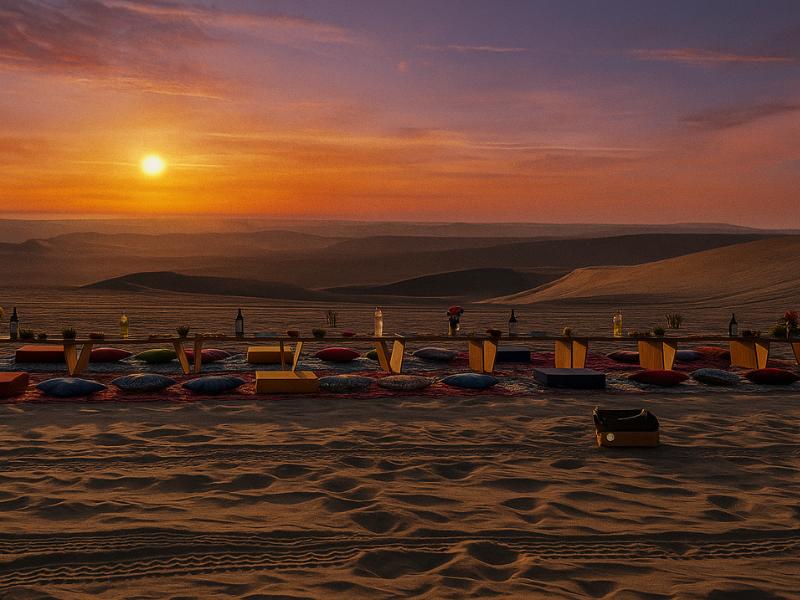
Overall night assessment: Huacachina functions as genuinely small town where nightlife concentrates around a handful of lagoon-front restaurants and hostel bars rather than the extended entertainment districts creating late-night safety complexity in larger cities, with the compact geography keeping most visitor activity within a well-lit perimeter that feels safe throughout evening hours until midnight. The limited nightlife options mean most visitors naturally gravitate toward early evenings with post-sunset-tour dinners and modest drinks rather than extended late-night activity, creating a natural safety dynamic where the riskiest behaviors simply don’t have enough infrastructure to develop into the problems they create elsewhere.
Lagoon perimeter: The restaurant and bar strip circling the lagoon maintains adequate lighting throughout evening hours with foot traffic continuing until 10-11pm creating the natural surveillance that populated well-lit areas provide, making dinner, post-dinner lagoon walks, and evening photography genuinely comfortable without special precautions beyond standard valuables management. The compact perimeter means staying on the main strip keeps visitors within the active area without requiring navigation decisions that could lead toward less-trafficked sections where the populated safety dynamics don’t apply equally.
After midnight: Foot traffic drops significantly after midnight with restaurants closing and the lagoon perimeter becoming noticeably quieter, creating conditions where normal late-night awareness applies even in this generally safe environment. Dark sections between the restaurant strip and accommodation properties sitting slightly back from the main walkway require the straightforward precaution of staying on lit pathways rather than cutting through unlighted areas that nobody would choose anyway given the limited distances involved.
Hostel party scene: Budget hostels with late-night social events create the concentrated alcohol and traveler mixing environments where bag theft from common areas and the standard social vulnerabilities of intoxicated environments apply, with basic precautions including securing valuables in lockers before joining evening events and maintaining standard social awareness. The hostel party environment remains substantially safer than urban nightlife districts while still creating the specific vulnerability reduction that valuables securing and social awareness provide.
Alcohol and vulnerability: Reduced situational awareness from alcohol consumption creates opportunistic theft scenarios particularly at the lagoon beach areas where phones and cameras left on seating during conversations become accessible, with the risk management being identical to managing valuables while sober rather than requiring alcohol abstinence during social evenings. The most common alcohol-related incidents involve visitors leaving items unattended during conversations at outdoor seating areas rather than the targeted approaches or aggressive behavior that larger entertainment districts sometimes produce.
| Time | Lagoon Strip | Hostel Areas | Dark/Quiet Areas | Dunes at Night |
|---|---|---|---|---|
| 6-9pm (Early Evening) | Very Safe | Very Safe | Safe | Safe with company |
| 9-11pm (Late Evening) | Safe | Safe | Low-Moderate risk | Inadvisable alone |
| 11pm-Midnight | Mostly Safe | Safe with awareness | Moderate risk | Avoid |
| After Midnight | Use caution | Party hostel awareness | Avoid | Avoid completely |
| Key Precautions | Valuables in pocket | Lock valuables in locker | Stay on lit paths | Never alone at night |
Sandboarding And Physical Activity Safety
Common sandboarding injuries: Sand burns on palms, knees, and elbows represent the most frequent sandboarding injuries occurring when standing attempts result in hands-first or knee-first impacts on rough sand, creating painful abrasions similar to carpet burns that sting significantly and require cleaning to prevent the minor infections that contaminated desert sand occasionally causes. Bruised tailbones affect participants landing hard during standing attempt failures, creating multi-day sitting discomfort that buses and hard chairs aggravate uncomfortably during subsequent travel. Scraped elbows, abraded forearms, and minor cuts happen occasionally when falls involve sliding or tumbling rather than clean drops, with these injuries responding well to basic first aid that tour guides carry in standard kit.
If you’ve never been on a board in your life, here’s our honest take on sandboarding for beginners in Huacachina tours so you don’t show up with unrealistic expectations.
Serious injury rarity: Soft sand absorbs impact energy that hard-packed snow and ice transmit to bones and joints, preventing the broken wrists, torn ligaments, and concussions that snowboarding at equivalent speeds on solid surfaces creates with distressing regularity. The worst sandboarding injuries in Huacachina’s commercial operation history involve deep sand burns requiring medical cleaning or badly bruised tailbones causing extended discomfort, with genuine serious trauma essentially absent from the accident record that soft landing surfaces explain rather than lucky visitor behavior. This safety profile proves remarkably good for an adventure sport delivering genuine 20-30 mph speeds, making sandboarding’s risk level comparable to cycling rather than the extreme sports category that marketing sometimes implies.
Dune hiking risks: Ankle twists from uneven sand surface navigation represent the primary dune hiking injury, with soft sand creating unstable footing that solid-ground hikers don’t anticipate, while heat exhaustion from sustained exertion in direct desert sun affects visitors who attempt ambitious multi-peak circuits during midday hours. The physical demand of hiking in soft sand doubles the cardiovascular effort required versus hard-surface trails at equivalent grades, catching fit visitors off guard when breathing and heart rate elevate faster than expected during what initially appears to be gentle terrain. Early morning or late afternoon timing eliminates the heat exhaustion risk while maintaining the activity value, with sunrise and sunset dune hiking representing both the safest and most visually rewarding timing options.
Proper footwear: Closed-toe sneakers prevent the foot injuries that sandals guarantee during rough terrain navigation, board edge contact, and the occasional falls where exposed feet contact sand at speed creating serious abrasions that proper footwear eliminates entirely. Ankle support from higher-cut shoes reduces twist risk during the uneven footing that soft sand navigation creates continuously, with the minor comfort reduction from wearing enclosed shoes in desert heat proving trivial compared to the injury prevention value they provide throughout physical activity sessions. Guides consistently identify footwear as the most impactful single equipment decision visitors make before activity participation, with proper shoe choice preventing the most common and avoidable injuries.
Sun and heat: Desert UV combined with physical exertion creates the primary outdoor activity health risk requiring proactive management rather than reactive response after symptoms develop, with the most effective strategy combining rashguards, SPF 50+ sunscreen applied 20 minutes before exposure, and minimum 500ml water consumption every hour of active desert time. Children and fair-skinned visitors face substantially elevated burn risk compared to experienced desert travelers, requiring more aggressive protection schedules than casual sun awareness provides.
Wondering about gear? Check out our breakdown of what to wear in Huacachina tours – the desert conditions catch a lot of people off guard.
| Activity | Risk Level | Common Injuries | Serious Injury | Key Precautions |
|---|---|---|---|---|
| Dune Buggy (reputable) | Low | Bruises, minor whiplash | Very rare | Seatbelt, reputable operator |
| Dune Buggy (poor operator) | Moderate-High | Above plus serious trauma | Rare but possible | Avoid – use reputable operator |
| Sitting Sandboarding | Very Low | Minor sand exposure | Essentially never | Sunscreen, closed shoes |
| Standing Sandboarding | Low-Moderate | Sand burns, bruised tailbone | Very rare | Long pants, sleeves, closed shoes |
| Dune Hiking | Low | Ankle twists, heat exhaustion | Very rare | Proper footwear, water, timing |
| Lagoon Swimming | Low | Water quality exposure | Very rare | Brief swimming, don’t swallow water |
Is Huacachina Safe For Families With Children?
Overall family safety: Huacachina provides genuinely excellent family environment with the small-town dynamic creating natural community awareness of unusual situations, tourism-dependent economy creating strong local incentives maintaining safe pleasant visitor experiences, and the limited geography eliminating the navigation complexity that creates vulnerability in larger cities. Families with children generally find Huacachina more relaxed than Lima or Cusco for exactly these reasons, with the compact oasis perimeter keeping everything within easy supervision range and the tourist-oriented restaurants and accommodations maintaining family-friendly standards that local-only establishments don’t always provide.
Dune buggy age considerations: Young children under 6 require parent judgment about dune buggy participation given the physical demands of holding positions during sharp turns and steep descents that adult core strength manages comfortably but small children find genuinely challenging. Parents should communicate children’s ages to operators when booking specifically, as reputable operators accommodate young children through seating arrangements and speed adjustments while street touts may not modify standard tour format appropriately. Children 8 and older handle standard tours well with parent proximity, with the exciting experience creating positive family memories that appropriate operator selection and honest age communication enables.
Lagoon swimming for children: Variable water quality makes parent supervision during lagoon swimming essential regardless of children’s swimming ability, with the uncertain cleanliness suggesting limiting immersion duration particularly for young children who are more likely to accidentally swallow water during play. Hotel pools at mid-range properties provide supervised cleaner swimming alternatives that families prioritizing water recreation might specifically seek when booking accommodation, with the pool availability justifying the modest premium over budget hostels for families where children want extended swimming rather than brief lagoon photo dips.
Sun protection: Children’s skin burns 2-3 times faster than adults at equivalent UV exposure, requiring more frequent sunscreen reapplication, rashguards for all outdoor activity, and afternoon shade management that adult supervision must impose rather than relying on children self-reporting discomfort that cooling desert breezes mask. The combination of reflective sand surfaces, high-UV desert environment, and children’s natural inclination to ignore discomfort creates burn risk that parents consistently underestimate until evening reveals extensive damage requiring the limited medical resources Ica city 10 minutes away provides.
Child-specific theft risks: Children distracted by phones and tablets in public areas create theft opportunities that basic awareness instruction prevents, with the lagoon beach specifically requiring the same valuables management for children’s devices as for adult phones and cameras. Teaching children the simple habit of keeping devices pocketed when not actively using them eliminates most risk, with the conversation also serving as useful general travel awareness education.
Practical recommendation: Families traveling Peru should genuinely find Huacachina among their safest itinerary stops, with the small-town safety dynamics, manageable geography, and tourism-dependent community creating visitor-friendly environment substantially less complex than Lima’s urban navigation or Cusco‘s altitude and crowded tourist infrastructure. Standard family travel precautions including valuables management, reputable operator selection, and sun protection cover the actual risk profile without requiring the elevated vigilance that larger Peru destinations sometimes justify.
Not sure if your kids are ready for the dunes? Our guide on visiting Huacachina tours with kids covers age recommendations, safety considerations, and how to make it genuinely fun.
FAQ: Huacachina Safety Questions
1. Is Huacachina safe for tourists?
Yes, genuinely among Peru’s safest tourist destinations with primary risks involving petty theft from unattended bags and poor dune buggy operator selection rather than violent crime. Standard precautions covering valuables management and reputable operator choice handle the actual risk profile completely.
2. Is Huacachina safe for solo female travelers?
Generally safe with standard solo travel precautions including staying on the lit lagoon perimeter after dark, using hotel recommendations for tours and taxis, and applying normal social awareness in hostel environments. The small-town dynamic and tourism-dependent community create substantially safer environment than Lima or other major Peru cities.
3. Are dune buggy tours safe in Huacachina?
Safe with reputable established operators maintaining proper equipment, functional seatbelts, and experienced drivers balancing excitement with reasonable risk management. Avoid street touts offering suspiciously low prices as the S/5-10 savings reflects corner-cutting on maintenance and safety standards creating genuine accident risk.
4. Is it safe to swim in the Huacachina lagoon?
Possible but variable water quality makes brief swims rather than extended immersion advisable, with the lagoon functioning primarily as scenic attraction rather than maintained recreational water body. Hotel pools at mid-range properties provide cleaner swimming alternatives for visitors prioritizing genuine water recreation over the lagoon-specific experience.
5. Is Huacachina safe at night?
Safe on the lit lagoon restaurant strip until midnight with normal awareness, becoming less advisable in darker quieter sections after midnight. Stay on illuminated pathways, keep valuables secured during hostel social events, and avoid the dunes entirely after dark when the absence of lighting and foot traffic creates unnecessary risk.
6. What are the biggest safety risks in Huacachina?
Unattended bags stolen at the lagoon beach, dune buggy accidents with poor-quality operators, and sunburn or dehydration from underestimating desert environmental conditions represent the three genuine risks accounting for most negative visitor experiences. All three prove largely preventable through basic precautions rather than requiring sophisticated security measures.
7. Do I need travel insurance for Huacachina?
Strongly recommended given that medical facilities in Huacachina itself prove minimal with Ica city hospitals 10 minutes away handling serious incidents. Dune buggy accidents, sandboarding injuries, and severe dehydration create potential medical costs that travel insurance covers, with policies starting around $50-100 representing excellent value against potential expenses.
8. Is Huacachina safer than Lima?
Significantly safer with the small-town dynamic eliminating urban crime complexity, limited geography removing navigation decisions that create vulnerability, and tourism-dependent economy creating community incentives for visitor safety that anonymous urban environments don’t provide. Lima requires more vigilant precautions particularly around transportation, crowded areas, and neighborhood selection that Huacachina’s simple layout simply doesn’t demand.
9. Is Peru Hop (check prices here) a safe way to reach Huacachina from Lima?
It is one of the more cautious options for foreign travellers, particularly those without Spanish. Peru Hop picks up and drops off at hotels rather than street terminals, puts a bilingual host on every bus, and runs GPS-tracked vehicles with two drivers on longer legs. It costs more than a bare Cruz del Sur or Oltursa seat, but it removes the taxi-and-terminal leg that creates most of the actual transport risk covered above.
Glossary: Huacachina Safety Terms
Petty Theft vs Violent Crime: Petty theft involves opportunistic taking of unattended valuables without confrontation while violent crime involves force or threats against persons. Huacachina experiences occasional petty theft targeting careless valuables management while violent crime remains essentially absent from visitor experience in this small tourist-dependent community.
Reputable Operator: Tour company with physical office, maintained equipment, liability insurance, trained drivers, and established hotel referral relationships distinguishing it from street touts cutting safety corners to fund lower pricing. Operator reputation directly determines dune buggy safety outcomes, making this the most important selection criterion beyond price.
Travel Insurance Coverage: Policy providing medical expense reimbursement, emergency evacuation coverage, trip cancellation protection, and theft compensation relevant to Huacachina visit risks. Medical evacuation coverage proves particularly important given limited on-site facilities requiring Ica city transport for anything beyond basic first aid.
Desert Health Risks: Environmental hazards specific to arid low-humidity high-UV environments including sunburn from reflective sand surfaces, dehydration from rapid moisture loss masked by cooling breezes, and heat exhaustion from physical exertion in sustained sun exposure. These risks prove more significant than crime for most Huacachina visitors yet receive less planning attention than security concerns.
Opportunistic Crime: Theft or scam occurring when obvious carelessness creates easy opportunity rather than through surveillance, planning, or targeting of specific individuals. Most Huacachina incidents fall into this category, meaning basic precautions eliminating obvious opportunities effectively remove most crime risk rather than requiring defensive measures against organized criminal activity.
Tourist Precautions: Standard protective behaviors including securing valuables in hotel safes, using hotel-recommended services rather than street approaches, confirming prices before committing to services, and maintaining basic situational awareness in public spaces. These precautions prove sufficient for Huacachina’s actual risk profile without requiring the elevated vigilance appropriate for higher-risk destinations.
Medical Facilities Access: Huacachina lacks independent medical facilities beyond basic first aid, with Ica city hospitals 10 kilometers away providing the nearest genuine medical care accessible via 10-minute taxi. The limited on-site medical infrastructure makes prevention considerably more important than treatment capability, with travel insurance covering evacuation costs if serious incidents require hospital care.
Safety Briefing: Pre-activity instruction from tour operators covering holding positions in buggies, sandboarding technique reducing injury risk, and emergency procedures distinguishing professional operators from those prioritizing departure speed over participant preparation. Absence of safety briefing represents a specific red flag indicating operator quality problems extending beyond this single omission.
Visit Huacachina With Confidence
Huacachina delivers genuinely safe visitor experiences when approaching the destination honestly – a tiny desert oasis where petty theft and poor operator selection represent the primary manageable risks rather than the violent crime or urban complexity that Peru-wide travel warnings describe without distinguishing between Lima’s neighborhoods and a 100-person tourism town. Most visitors complete stays without any safety incidents when applying the basic precautions that common sense suggests rather than either paranoid over-preparation or naive carelessness.
The practical checklist covering 95% of actual risk scenarios remains short: lock valuables in hotel rooms before lagoon swimming, book dune buggy tours through hotel recommendations or established lagoon-front offices rather than street touts, apply SPF 50+ sunscreen and drink 2 liters of water daily, confirm all prices before committing to services, and stay on lit pathways after midnight. These five precautions address petty theft, operator safety, environmental health risks, scams, and night safety simultaneously without requiring security measures that would transform a relaxed desert vacation into an anxious defensive experience.
Book your safe Huacachina experience at huacachina.tours where we’ve operated dune buggy tours with maintained equipment and professional drivers for years, provide honest operator quality information helping visitors avoid the substandard alternatives, and genuinely want every visitor completing their oasis experience as safely as the destination’s excellent baseline safety record supports.
From the guides at Huacachina Tours who navigate this small desert oasis daily, watch what actually affects visitors versus what theoretical risk assessments flag, and have operated safely across thousands of tours understanding that confident informed travelers experience exactly the safe memorable desert adventure that this genuinely charming destination delivers when approached with appropriate rather than either excessive or insufficient precaution.
Choose Your Huacachina Outing
Have a travel date in mind? Check your two-hour buggy and sandboarding before arranging the rest of your trip.
A local Huacachina loop with a driver, basic boards and a sunset stop. Meet at Arenas Bar & Lounge and return there; admission is extra. English is listed. Published booking age bands start at 11.
General recommendation. Confirm your party's eligibility and arrangements with the provider.
Which Activity Are You Considering?
English is listed for these products. Time estimates exclude separate transfers and check-in. Child ages are booking bands, not a safety assessment. The specialist recommendation is limited to age 70 pending provider confirmation because listings differ.
| Outing | Duration | What You Get And What To Confirm |
|---|---|---|
| Two-Hour Buggy And Sandboarding | 2 hours | A local Huacachina loop with a driver, basic boards and a sunset stop. Meet at Arenas Bar & Lounge and return there; admission is extra. English is listed. Published booking age bands start at 11. |
| Four-Hour Sandboard And Sandski Experience | 4 hours | A specialist Huacachina outing with instruction, board or ski equipment, protective equipment, buggy transport and sunset. English is listed. Pickup must be coordinated; the local meeting point is also available. Published booking age bands start at 6. Not recommended during pregnancy or with back or cardiovascular conditions. |
Choose a date to see scheduled departures. Availability and final price are confirmed on Viator.
Check Your Huacachina Buggy Date