What To Wear In Huacachina Desert
Packing for Huacachina isn’t as simple as beachwear or hiking gear. Avoid ruined clothes, freezing buggy rides, and painful sand burns with this practical packing guide. Discover exactly what to wear for sandboarding, sunset tours, desert temperature drops, and intense UV exposure — honest advice from Huacachina Tours so you arrive prepared.
Travelers packing for Peru face an unusual challenge because Lima, Cusco, Machu Picchu, and Huacachina require completely different clothing within the same trip, and the desert oasis specifically surprises people who assume beach clothes handle a sandy destination or that hiking gear covers everything outdoor. The most common Huacachina clothing mistakes we see involve flip-flops on sandboarding dunes, expensive white shirts destroyed by permanent sand staining, and visitors shivering on the buggy ride home because nobody mentioned that desert temperatures drop 10-15°C after sunset.
In Brief: Wear secure closed shoes, activity clothes and a removable evening layer. Choose the activity first: specialist sports equipment may be supplied, while personal clothing remains yours to bring.
Check Your Huacachina Buggy DateAt Huacachina Tours where we watch visitors arrive perfectly dressed for everything except what Huacachina actually requires, we provide honest packing guidance based on what the desert environment genuinely demands. This guide covers sandboarding-specific clothing preventing the abrasion injuries that wrong choices cause, evening layering for temperature drops that catch unprepared visitors off guard, sun protection calibrated for reflective desert surfaces doubling UV exposure, footwear decisions that represent the single most important clothing choice you’ll make, seasonal variations affecting what to pack, and what to deliberately leave at the hotel rather than risk ruining.
What Should You Wear In Huacachina?
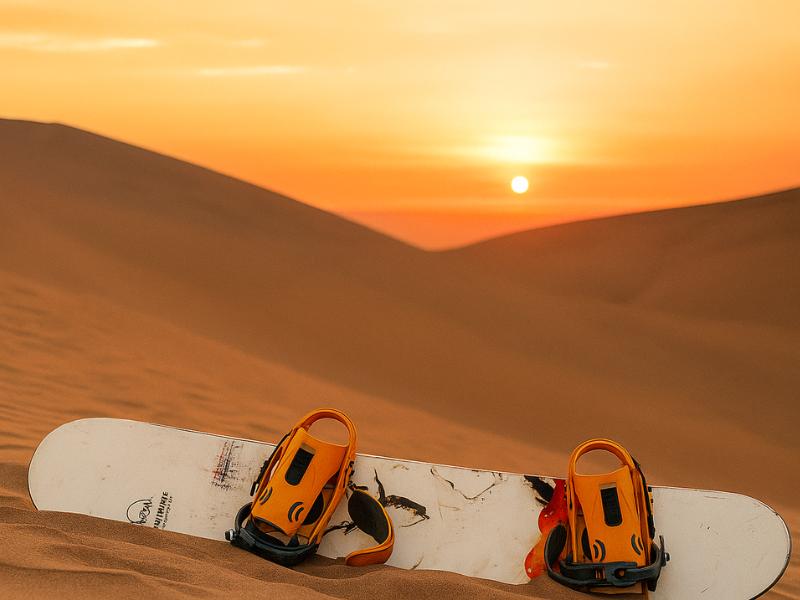
Closed-toe sneakers, long pants, a light layer for the evening buggy ride home, and SPF 50+ sunscreen cover the essential clothing decisions that determine whether your Huacachina visit proves comfortable or involves sand burns, shivering, and the permanent staining that wrong clothing choices create in desert environments.
The surprise: Desert temperatures drop 10-15°C between afternoon peak and post-sunset within the space of 2-3 hours, meaning the 28°C (82°F) warmth you feel departing for your 4pm dune buggy tour transforms into a genuinely cold 14-16°C (57-61°F) return journey requiring actual warm layers that beach-packing visitors simply don’t have. The wind chill from moving buggies amplifies the temperature drop further, with guides consistently watching visitors who dressed for afternoon heat shivering uncomfortably during the 20-minute return drive that proper layering would have made pleasant.
What most people pack wrong: Beach clothes and resort wear work perfectly for lagoon-side photos but fail completely for the sandboarding activities that represent Huacachina’s primary draw, with shorts exposing knees to sand abrasion during falls, loose flowing fabrics collecting sand in uncomfortable quantities, and flip-flops creating genuine injury risk that guides specifically warn against. The beach destination assumption proves the single most common packing mistake because sandy setting implies beach gear when desert activity environment requires something closer to light hiking preparation.
Activity-specific requirements: Sandboarding demands long pants and closed shoes protecting against the abrasions that standing attempts guarantee for most beginners, while dune buggy tours require warm layers stored in the buggy during active sandboarding periods and retrieved for the cooling return journey. Lagoon swimming uses standard swimwear, evening dining requires only the layers you’re already carrying, and dune hiking needs the same closed shoes and sun protection as sandboarding without the abrasion protection priority.
If you’ve never been on a board in your life, here’s our honest take on sandboarding for beginners in Huacachina tours so you don’t show up with unrealistic expectations.
Practical recommendation: Designate specific old clothes for sandboarding activities before leaving Lima or wherever you’re traveling from, choosing pants and long-sleeve shirts you’d otherwise donate or discard rather than risking travel clothes that sand damages permanently through fine particle penetration that washing machines struggle fully removing. The deliberate old-clothes strategy eliminates the anxiety about ruining good clothing that prevents people from enjoying falls and fully participating in activities. If you're travelling down from Lima with Peru Hop (check prices here), pack that sandboarding outfit in your carry-on rather than a checked bag, since the bus makes a stop at Paracas before Huacachina.
| Activity | Shoes | Pants | Top | Sun Protection | Layer Needed | Notes |
|---|---|---|---|---|---|---|
| Sandboarding | Closed-toe essential | Long pants strongly recommended | Long sleeves for standing | SPF 50+ plus rashguard | No, active | Old clothes only |
| Dune Buggy Tour | Closed-toe | Long or short | Any | SPF 50+ | Yes, for return | Secure all loose items |
| Lagoon Swimming | Sandals ok | Swimwear | Swimwear/rashguard | SPF 50+ | Change after | Quick-dry fabrics |
| Dune Hiking | Closed-toe essential | Long or short | Light long sleeve | SPF 50+ hat | No, active | Avoid midday heat |
| Evening Dining | Anything | Whatever you have | Layer up | None needed | Yes, light jacket | Post-sunset chill |
| Lagoon Photography | Sandals fine | Any | Any | SPF 50+ | Depends on time | Easy access to hotel |
Footwear – The Single Most Important Decision
Closed-toe essential: Every Huacachina desert activity from sandboarding through dune hiking through basic lagoon-area exploration benefits from closed-toe shoes providing the ankle support, foot protection, and secure fit that open footwear cannot deliver, with sneakers and athletic shoes representing the practical ideal that most visitors already own without needing specific purchase. The closed-toe requirement isn’t excessive caution – it directly prevents the most common and avoidable injuries including sand burns on exposed feet during descents, ankle twists from unstable footing on soft sand slopes, and the genuinely painful foot abrasions that board edges create during sandboarding carrying and positioning.
Why flip-flops fail: Sand friction during sitting sandboarding descents creates intense heat and abrasion on exposed foot surfaces that flip-flop straps don’t protect, while the complete absence of ankle support transforms the uneven footing that soft sand navigation creates from manageable challenge into genuine sprain risk. Flip-flops fly off during dune buggy rides as the wind catches loose footwear at 25-30 mph speeds, creating both personal loss and potential hazard for following vehicles, with guides occasionally refusing participants wearing flip-flops specifically because the resulting problems prove reliably predictable. The footwear that works perfectly for hotel shower access and lagoon-front restaurant dining becomes genuinely dangerous the moment any desert activity begins.
Sandals reality: Strapped sandals with proper heel support and closed toe coverage prove acceptable for lagoon-side relaxation, restaurant visits, and the brief photography sessions that don’t involve terrain navigation, though they remain inappropriate for sandboarding, extended dune hiking, and buggy tours where the flip-flop problems apply in modified form. The distinction matters for visitors who packed only sandals and sneakers, with sandals handling non-activity portions of visits while sneakers cover everything else.
Sneaker recommendation: Standard athletic or running shoes represent the ideal Huacachina footwear delivering adequate ankle support, closed-toe protection, secure lacing preventing sand-loosening, and the breathable construction managing desert heat better than heavy hiking boots while providing more protection than casual canvas shoes. Trail running shoes with slightly more aggressive sole patterns prove marginally better than road running shoes for soft sand traction, though the difference proves minimal enough that whatever athletic shoes you already packed work perfectly without specialized purchase.
Hiking boots: Ankle-high hiking boots provide genuine additional benefit for visitors planning multiple hours of dune hiking across varied terrain, offering the ankle support that soft sand slopes demand and the durability that extended desert use requires. For casual visitors completing one or two dune buggy tours with brief sandboarding sessions, the hiking boot upgrade provides marginal benefit over good sneakers while adding significant pack weight and volume that 1-2 night visits don’t justify carrying.
| Footwear Type | Sandboarding | Dune Buggy Tour | Dune Hiking | Lagoon/Relaxation | Overall Suitability |
|---|---|---|---|---|---|
| Athletic Sneakers | Excellent | Excellent | Very Good | Good | 10/10 – Best choice |
| Trail Running Shoes | Excellent | Excellent | Excellent | Good | 10/10 – Ideal for hiking |
| Hiking Boots | Good | Good | Excellent | Overkill | 8/10 – Hikers only |
| Canvas Shoes | Acceptable | Acceptable | Poor (no support) | Fine | 6/10 – Minimal protection |
| Strapped Sandals | Poor | Poor | Poor | Good | 4/10 – Relaxation only |
| Flip-Flops | Dangerous | Dangerous | Dangerous | Fine | 1/10 – Activities prohibited |
Sandboarding-Specific Clothing
Long pants: Knee and shin protection from long pants represents the most direct injury prevention available for sandboarding participants, eliminating the scraped knees and abraded shins that standing attempt falls create when shorts leave skin directly exposed to rough sand contact at 15-25 mph impact speeds. The protection value proves especially significant because standing sandboarding falls are guaranteed for most beginners regardless of athletic ability, making the question not whether you’ll fall but whether you’ve covered skin that sand will otherwise damage. Lightweight athletic pants, hiking pants, and denim jeans all deliver adequate protection with the weight and breathability differences affecting comfort rather than protective effectiveness.
Long sleeves: Elbows and forearms contact sand most frequently during forward falls where outstretched arms attempt to break impact, creating the abrasion zone that long sleeves protect completely while short sleeves leave entirely vulnerable. The recommendation applies most strongly to participants attempting standing technique where falls are both more frequent and more physically committed than the gentle sitting position failures that rarely involve arm impact. Lightweight long-sleeve athletic shirts manage desert heat better than cotton equivalents while providing the coverage that sitting-only participants can sometimes skip at comfort cost.
Old clothes philosophy: Sand penetrates fabric weaves permanently during desert activities, leaving fine particles that reduce fabric softness, alter texture, and occasionally cause permanent color changes in lighter fabrics that washing removes incompletely. The practical response involves designating specific old clothing for sandboarding before traveling rather than making the decision reluctantly when facing potentially ruined travel clothes on tour, with the pre-trip decision eliminating the activity anxiety that clothing concern creates.
Sand penetration reality: Desert sand particles prove fine enough penetrating virtually all fabric weaves and filling every possible gap including waistbands, collars, and sleeve cuffs regardless of how carefully you dress, creating the full-body sand coating that every Huacachina visitor experiences as normal activity outcome rather than exceptional circumstance. The penetration proves unavoidable rather than preventable through clothing choice, making the old-clothes approach more rational than attempting to protect good clothes through careful movement.
Tight vs loose fit: Form-fitting athletic clothing reduces sand accumulation in the uncomfortable locations that baggy loose fabrics create through the large air pockets between fabric and skin that sand fills during descents. The tight-fit advantage proves particularly noticeable in waistbands and collar areas where loose fits allow substantial sand entry, with athletic compression pants and fitted long-sleeve shirts creating the minimum-accumulation scenario that loose beach clothes maximally fail at achieving.
Gloves optional: Lightweight athletic or cycling gloves protect palms during the hand-first falls that standing sandboarding attempts frequently produce, with the thin padding reducing abrasion intensity while maintaining adequate grip for board carrying and positioning. Most participants skip gloves without significant injury consequence, though the S/15-25 investment proves worthwhile for participants specifically determined to master standing technique through multiple practice attempts that accumulate palm abrasions over extended sessions.
Practical recommendation: Buy a cheap pair of pants (S/15-25) and long-sleeve shirt (S/10-20) at Lima’s markets specifically for Huacachina sandboarding before traveling, packing them in a separate plastic bag that contains the sand they’ll collect during tour and prevents contamination of other luggage on the return. This pre-trip purchase costs less than one meal in Lima while completely eliminating the dilemma of choosing between ruining actual travel clothes or declining sandboarding participation.
Sun Protection – Underestimated Desert Necessity
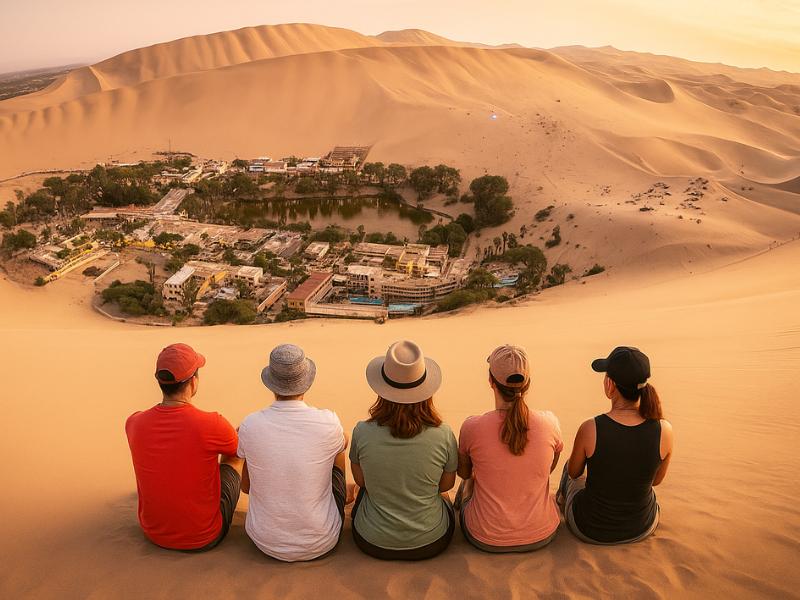
Sunscreen: SPF 50+ applied thoroughly 20 minutes before any outdoor exposure represents the baseline sun protection that desert environments require rather than the SPF 30 that most travelers consider adequate for beach vacations or sightseeing days in humid climates. Apply to face, neck, ears, hands, and any skin exposed through clothing gaps before leaving the hotel rather than at the dune departure point where the 20-minute absorption window before activity begins becomes impossible to achieve. Reapply after the first hour of exposure during extended outdoor sessions, with the 2-hour dune buggy tour specifically requiring mid-tour reapplication during active sandboarding stops when guides pause group movement long enough for sunscreen attention.
Rashguards: Long-sleeve UV-protection shirts worn during all outdoor activities eliminate the majority of sunscreen reapplication burden while providing consistent protection that sweating, swimming, and physical exertion degrade from cream formulations but cannot remove from clothing. The dual function of UV protection and sandboarding abrasion coverage makes rashguards the single most useful Huacachina clothing investment, with purpose-made UPF 50+ shirts costing S/50-80 in Lima or significantly less for basic athletic alternatives that provide comparable UV defense without the specific water-sport design features unnecessary in desert environments. Children’s rashguards prove particularly important given faster burn rates that adults managing children’s sun protection must account for.
Don’t just assume it’s all family-friendly out there. This breakdown of visiting Huacachina tours with kids shows you exactly what works for different ages and what to skip.
Hats: Wide-brim hats provide meaningful face and neck shade during uphill dune hiking and between-run waiting periods when direct overhead sun creates the sustained exposure that baseball caps protect inadequately through their limited brim coverage. The critical constraint involves securing hats during dune buggy movement and sandboarding descents where wind makes unsecured hats aviation events, with chin straps or the hat-in-buggy approach where you wear it during static periods and stow it during movement representing the practical management system. Wide-brim sun hats, baseball caps with neck flaps, and buffs worn as neck protection all deliver meaningful UV reduction that bare-head alternatives sacrifice entirely.
Sunglasses: UV protection from desert sun intensity proves the primary function, though sand spray defense during sitting sandboarding descents at 20-30 mph provides equally important secondary value that visitors wearing no eye protection discover immediately when sand particles hit corneas at speed. Wraparound styles providing coverage from multiple angles prove superior to fashion frames with open sides, with secure fit preventing the mid-descent loss that loose frames create when wind catches them at buggy speeds. Standard UV400 protection lenses handle the UV requirements without specialist pricing, making quality sunglasses already in your luggage perfectly adequate rather than requiring desert-specific purchase.
Neck protection: The back of the neck receives concentrated sun exposure during face-down sandboarding position and extended dune hiking with downward head angle, creating burn patterns that visitors discover painfully post-tour when areas they didn’t think to protect show the most severe damage. Collar-up clothing, neck buff wraps, or thorough sunscreen application covering the neck’s back surface every application provides the protection that this frequently forgotten area specifically requires. Guides specifically mention neck sunscreen application during pre-tour briefings after years of watching visitors develop concentrated burns in this specific location that helmet hair and collar awareness habits fail to address.
Sand reflection: Desert sand reflects 25-35% of incoming UV radiation compared to grass surfaces reflecting 2-5%, effectively creating a second sun shining upward that doubles total UV dose relative to non-reflective environments and explains why Huacachina burns occur faster than identical sun exposure duration at other destinations. The reflection phenomenon catches visitors off guard who base sun protection decisions on cumulative Peru travel experience in Cusco, Lima, or Amazon environments where reflective amplification doesn’t occur at desert sand levels. SPF 50+ provides adequate protection accounting for this amplification when applied correctly, but SPF 30 or below proves consistently insufficient for desert sand environments despite being adequate elsewhere.
| Protection Approach | UV Coverage | Reapplication Needed | Activity Suitability | Cost | Best For |
|---|---|---|---|---|---|
| Sunscreen Only (SPF 30) | Moderate | Every 60-90 min | Low activity only | Low | Not recommended desert |
| Sunscreen (SPF 50+) | Good | Every 90-120 min | All activities | Low-Moderate | Minimum standard |
| Rashguard + SPF 50+ exposed | Very Good | Exposed areas only | All activities | Moderate | Most visitors |
| Full Coverage (rashguard + hat + SPF 50+) | Excellent | Minimal face/hands | All activities | Moderate | Fair skin, children |
| Sunscreen Only (SPF 50+) without hat | Good body, poor head/neck | Every 60 min | All but avoid extended hiking | Low | Short tours only |
What To Wear For Dune Buggy Tours Specifically
Afternoon departure (4-5pm): Tours depart during still-warm afternoon hours when 25-28°C (77-82°F) temperatures make full warm clothing layers unnecessary and potentially uncomfortable during the physical exertion of sandboarding hikes, with the appropriate departure outfit being activity clothing covering sandboarding protection requirements rather than warmth requirements that haven’t yet materialized. Wear long pants and closed shoes for sandboarding protection, a light rashguard or long-sleeve shirt for sun protection, and carry the warm layer rather than wearing it during the active portion of the tour. The layering strategy where warm clothes travel in the buggy storage during activity and get retrieved for the return journey represents standard local guide recommendation rather than excessive preparation.
During tour: Moving buggy wind chill at 25-35 mph creates apparent temperature reductions of 5-8°C below actual air temperature during transit sections between sandboarding stops, making the 25°C (77°F) afternoon feel closer to 17-20°C (63-68°F) during active driving. Sunglasses prove essential during transit sections as sand particles and wind combine to make open-eye buggy riding genuinely uncomfortable, with goggles providing superior protection that most visitors don’t bring but would appreciate after the first high-speed dune descent with eyes watering from sand spray.
Post-sunset return: The 20-30 minute buggy ride back to town after sunset combines ended physical exertion, dropping temperatures, and continued wind chill to create the genuinely cold experience that unprepared visitors suffer while prepared ones simply retrieve their stored jacket from the buggy storage area. Winter June-August returns at 6:30-7pm reach 10-12°C (50-54°F) actual temperature with wind chill pushing apparent temperatures below 8°C (46°F), requiring actual insulating layers rather than the thin wind-breakers that shoulder season returns handle adequately.
Eye protection: Sunglasses or sport goggles protect eyes from the sand spray that buggy movement generates continuously during dune driving, proving most important during descent sections where speed amplifies particle velocity to levels that cause involuntary tearing and temporary vision impairment affecting the experience despite causing no lasting damage. Store sunglasses securely during sandboarding descents to prevent loss, with strap attachments costing S/5-10 at Lima accessories vendors providing the retention security that friction alone doesn’t deliver at sandboarding speeds.
Not sure which activity to prioritize? Check out our breakdown of sandboarding vs dune buggy in Huacachina tours – they’re completely different experiences on the same dunes.
| Tour Phase | Temperature | Wind Chill | Recommended Clothing | What to Store | Priority |
|---|---|---|---|---|---|
| Afternoon Departure | 25-28°C (77-82°F) | None – stationary | Sandboarding clothes + sunglasses | Warm layer in buggy | Sun protection |
| Active Buggy Transit | 23-26°C (73-79°F) | Moderate -5°C | Same + wind awareness | N/A | Eye protection |
| Sandboarding Stops | 22-25°C (72-77°F) | None – active | Full sandboarding outfit | Hat if wide brim | Abrasion protection |
| Sunset Viewing | 18-22°C (64-72°F) | Low | Retrieve light layer | N/A | Warmth emerging priority |
| Return Journey | 14-18°C (57-64°F) | Strong -8°C | Full warm layer essential | Sandboarding gear stowed | Warmth critical |
Seasonal Clothing Differences
Summer December-March: Light breathable fabrics handle the 28-35°C (82-95°F) afternoon heat while maximum sun protection addresses the intense UV that hits its annual peak during these months, with moisture-wicking athletic materials outperforming cotton that absorbs sweat and feels heavy during physical activity in sustained desert heat. Evening layers remain necessary despite the day’s heat as temperatures drop to 18-22°C (64-72°F) after sunset, with the temperature swing proving smaller than winter months but still requiring actual additional clothing rather than the assumption that summer heat persists through evening hours. The summer clothing challenge involves packing for both extreme afternoon heat and the evening cool that desert radiation loss creates regardless of how hot the day proved.
Winter June-August: Cold nights reaching 8-12°C (46-54°F) require actual insulating layers beyond the wind-breakers adequate during shoulder months, with fleeces, light down jackets, or warm sweaters representing genuine necessity rather than cautious over-preparation for the post-sunset buggy return and evening oasis time. Daytime temperatures of 20-23°C (68-73°F) prove comfortable for activity without being warm enough to eliminate all layering, creating the pleasant conditions where standard athletic clothing handles daytime comfortably while warm layers wait ready for the rapid temperature drops that desert clear-sky nights produce. Winter visitors from tropical or warm destinations prove most frequently underprepared for Huacachina’s cold nights, assuming Peru’s coastal location means warm temperatures year-round.
Shoulder April-May: Warming spring temperatures of 24-28°C (75-82°F) during the day create comfortable activity conditions while evenings of 14-18°C (57-64°F) require medium-weight layers, with the moderate temperature range allowing versatile packing around a single mid-weight jacket serving both evening warmth and light wind protection during active outdoor periods. The April-May clothing sweet spot involves the least complicated seasonal packing of the year, with typical lightweight travel wardrobes requiring only the addition of closed shoes and old sandboarding clothes rather than significant cold-weather additions.
Shoulder September-November: Similar temperature profile to April-May with gradual warming through October and November pushing daytime highs toward 27-28°C (81-82°F) while evenings remain at 15-18°C (59-64°F) requiring the same medium-weight layer strategy. November begins approaching summer temperature territory with the slight warming requiring lighter evening layers than September’s cooler evenings, though the shift proves gradual enough that April-May packing strategies apply throughout the shoulder window without significant adjustment.
What stays constant: Closed shoes for all activities, SPF 50+ sunscreen for all outdoor time, and old clothes designated for sandboarding remain identical requirements regardless of season, representing the non-negotiable clothing foundations that seasonal variation affects least. The sun protection requirement actually increases during summer months given higher UV combined with more direct overhead sun angle, making the year-round SPF 50+ minimum a conservative rather than excessive standard that any seasonal clothing strategy builds around.
Packing efficiency: Most seasonal adjustment happens through layer additions and subtractions rather than complete wardrobe changes, with a base of activity clothes appropriate to season temperature plus a jacket varying from light wind-breaker to actual insulating layer covering the primary seasonal clothing difference. The 1-2 night typical Huacachina stay means minimal clothing volume regardless of season, with efficient packing emphasizing versatile pieces serving multiple functions over dedicated single-purpose items that limited stay duration doesn’t justify carrying.
Not all months are equal in the desert. The best time to visit Huacachina tours changes based on heat levels, wind conditions, and how busy the oasis gets.
| Item | Summer Dec-Mar | Winter Jun-Aug | Shoulder Apr-May/Sep-Nov |
|---|---|---|---|
| Base Layer | Lightweight moisture-wicking | Medium-weight athletic | Light-medium athletic |
| Sun Protection Shirt | Essential – maximum UV | Essential – UV still strong | Essential |
| Sandboarding Clothes | Old light fabrics | Old medium fabrics | Old medium-light fabrics |
| Evening Layer | Light jacket or sweatshirt | Fleece or warm jacket (essential) | Medium jacket |
| Night Layer | Light sweatshirt | Warm jacket + possible extra layer | Medium jacket |
| Closed Shoes | Essential | Essential | Essential |
| Sunscreen SPF | 50+ (highest priority) | 50+ | 50+ |
| Hat | Wide brim critical | Cap or buff | Wide brim or cap |
| Sunglasses | Essential | Essential | Essential |
| Priority Item | Heat management + sun | Warm evening layer | Versatile mid-layer |
FAQ: Huacachina Clothing Questions
1. What should I wear for sandboarding in Huacachina?
Long pants protecting knees from sand abrasion, closed-toe sneakers essential for ankle support and foot protection, long sleeves recommended for standing attempts, and old clothes you don’t mind ruining permanently with sand. Designate specific expendable clothing before traveling rather than risking good travel pieces.
2. Do I need to bring warm clothes to Huacachina?
Yes genuinely – desert temperatures drop 10-15°C after sunset requiring actual warm layers regardless of how hot the afternoon felt. Winter June-August needs fleece or light down jacket, shoulder months need medium jacket, and even summer December-March requires light sweatshirt for the cold return buggy ride.
3. Can I wear shorts and flip-flops in Huacachina?
Shorts work for lagoon relaxation and restaurant dining but expose knees to sand abrasion during sandboarding falls. Flip-flops prove genuinely dangerous for all desert activities causing sand burns, ankle instability, and mid-ride loss during buggy tours, with sandals acceptable only for static lagoon-side time.
4. What shoes are best for Huacachina?
Athletic or trail running sneakers represent the ideal combining closed-toe protection, ankle support, secure fit, and breathability for desert heat. Whatever closed-toe athletic shoes you already packed work perfectly without specialist purchase, with hiking boots providing marginal additional benefit only for extended multi-hour dune hiking.
5. What should I wear on a dune buggy tour?
Sandboarding clothes for the active portion, sunglasses essential for sand spray protection during transit and descents, and a warm layer stored in the buggy during sandboarding and retrieved for the cooling sunset viewing and return journey. Securing all loose items before departure prevents wind loss during high-speed dune driving.
6. How cold does Huacachina get at night?
Winter June-August nights reach 8-12°C (46-54°F) requiring actual insulating jackets that summer visitors never anticipate. Shoulder months April-May and September-November evenings hit 14-18°C (57-64°F) needing medium jackets, while summer December-March evenings of 18-22°C (64-72°F) still require light sweatshirts despite warm afternoons.
7. What should I wear for the sunset tour?
Sandboarding-appropriate clothing for active portions including long pants and closed shoes, sunglasses throughout, SPF 50+ applied before departure, and a warm jacket stored in the buggy specifically for retrieval during sunset viewing and the cold return drive. Layers prove more practical than single heavy clothing worn throughout.
8. Do I need special gear for dune hiking?
No special gear required beyond the closed-toe sneakers and sun protection that all Huacachina activities need. Hiking poles prove helpful for steep descent sections though most visitors manage without, with the main preparation involving proper footwear, 1L+ water carried personally, and morning or evening timing avoiding midday heat exhaustion risk.
Glossary: Huacachina Clothing Terms
Rashguard / UV Protection Clothing: Long-sleeve shirt constructed with UPF 50+ fabric blocking ultraviolet radiation more consistently than sunscreen that sweat and activity degrades. Doubles as sandboarding abrasion protection making it the single most useful Huacachina clothing item serving sun protection and injury prevention simultaneously.
Layering System: Clothing strategy using multiple removable pieces rather than single heavy garments, allowing temperature adjustment as desert conditions shift dramatically between afternoon activity heat and post-sunset cold. The Huacachina approach involves active sandboarding clothes plus warm layer stored in buggy and retrieved when needed.
Sand-Appropriate Footwear: Closed-toe shoes with ankle support and secure lacing suitable for soft sand terrain navigation, sandboarding activity, and dune hiking. Distinguishes from inappropriate alternatives like flip-flops and open sandals that create injury risk in desert activity environments.
Desert Temperature Swing: Rapid temperature decrease of 10-15°C occurring within 2-3 hours as desert environments lose heat quickly after sunset without cloud cover or humidity retaining warmth. Creates the counterintuitive situation where afternoon heat and genuine evening cold occur on the same day requiring layered clothing preparation.
Old Clothes Philosophy: Strategic approach of designating expendable clothing specifically for sandboarding activities expecting sand damage, abrasion tears, and permanent staining that desert activities guarantee regardless of careful behavior. Eliminates anxiety about ruining good travel clothes by removing valuable clothing from activity participation entirely.
Wind Chill on Buggy: Apparent temperature reduction from moving vehicle airflow making actual temperatures feel 5-8°C colder during transit sections, transforming comfortable afternoon temperatures into genuinely cold conditions requiring warm layers that static temperature readings don’t suggest necessary.
Sand Abrasion Protection: Function of long pants and long sleeves preventing skin contact with rough sand during sandboarding falls, protecting knees, shins, elbows, and forearms from the scraping injuries that shorts and short sleeves leave exposed. Most important for standing sandboarding attempts where falls are frequent and committed.
Sun Protection Factor (SPF): Numerical rating indicating sunscreen’s UV radiation blocking effectiveness, with SPF 50+ representing the minimum appropriate standard for desert sand environments where reflective surfaces double UV exposure compared to non-reflective alternatives. Lower SPF ratings providing adequate protection elsewhere prove consistently insufficient for Huacachina’s reflective sand conditions.
Ready To Pack For Huacachina?
Four clothing decisions cover essentially everything Huacachina requires: closed-toe sneakers for all activities, long pants and old long-sleeve shirt designated for sandboarding, warm layer for the post-sunset temperature drop, and SPF 50+ sunscreen plus rashguard for the desert UV that reflective sand amplifies beyond what most travelers anticipate. Simple decisions made before packing rather than discovered through uncomfortable experience at the destination.
The visitors who enjoy Huacachina most arrive having thought through clothing requirements honestly rather than assuming beach gear handles a sandy destination or that desert means perpetual heat. A S/40-50 investment in cheap sandboarding clothes from Lima markets and proper sun protection covers the preparation that dramatically improves actual experience quality beyond what expensive specialist gear would deliver.
From the guides at Huacachina Tours who’ve lent jackets to shivering visitors on the return buggy ride, watched expensive white shirts transform permanently into sand-colored souvenirs, seen flip-flop wearers turned away from sandboarding for their own protection, and quietly marveled at the visitor who packed everything perfectly on the first trip – proper clothing preparation takes five minutes of advance thought and makes the entire Huacachina experience substantially more comfortable.
Choose Your Huacachina Outing
Have a travel date in mind? Check your two-hour buggy and sandboarding before arranging the rest of your trip.
A local Huacachina loop with a driver, basic boards and a sunset stop. Meet at Arenas Bar & Lounge and return there; admission is extra. English is listed. Published booking age bands start at 11.
General recommendation. Confirm your party's eligibility and arrangements with the provider.
Which Activity Are You Packing For?
English is listed for these products. Time estimates exclude separate transfers and check-in. Child ages are booking bands, not a safety assessment. The specialist recommendation is limited to age 70 pending provider confirmation because listings differ.
| Outing | Duration | What You Get And What To Confirm |
|---|---|---|
| Two-Hour Buggy And Sandboarding | 2 hours | A local Huacachina loop with a driver, basic boards and a sunset stop. Meet at Arenas Bar & Lounge and return there; admission is extra. English is listed. Published booking age bands start at 11. |
| Four-Hour Sandboard And Sandski Experience | 4 hours | A specialist Huacachina outing with instruction, board or ski equipment, protective equipment, buggy transport and sunset. English is listed. Pickup must be coordinated; the local meeting point is also available. Published booking age bands start at 6. Not recommended during pregnancy or with back or cardiovascular conditions. |
Choose a date to see scheduled departures. Availability and final price are confirmed on Viator.
Check Your Huacachina Buggy Date